

The transition from one year to the next is a global moment of reflection, hope, and, perhaps most importantly, delicious feasting. While fireworks, loud parties, and midnight kisses set the scene, it's often the culinary traditions that provide the most tangible link to the customs and hopes for the coming twelve months. Across continents, specific dishes are consumed with almost ritualistic fervor, each one symbolizing a particular wish for the new year – be it wealth, longevity, or simply good fortune. This travel guide delves into the rich and diverse world of New Year's Eve (or New Year's Day) gastronomy, exploring the symbolic significance of key ingredients and preparations that promise a bountiful 365 days ahead. So, ready your fork, and let's dive in!
What should you eat to guarantee good luck in the New Year?
For travelers and food enthusiasts alike, exploring these culinary customs offers a fascinating way to immerse oneself in different cultures. Understanding what to eat, and why, transforms a simple meal into a deeply meaningful act of anticipating the future. Preparing for a holiday trip, especially one that spans the New Year, involves meticulous planning, from booking flights to securing accommodations. A critical, often overlooked detail is airport parking. Services like ParkingNearAirports.io are invaluable here, helping travelers secure convenient and cheap airport parking options near major terminals. With various providers offering special airport parking offers and the easy application of airport parking coupons, you can ensure your vehicle is safe while you explore the globe's New Year's feasts. But before you finalize those travel plans, let's explore the essential bites for a lucky start.
Black-eyed peas
 Source: Google Search
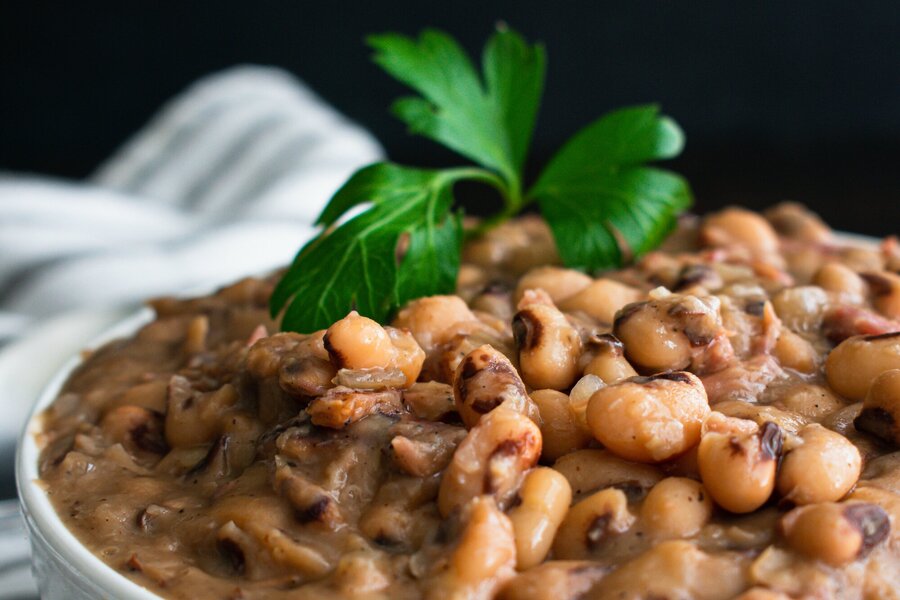
In the American South, particularly states like Texas, Georgia, and the Carolinas, the New Year's table is incomplete without black-eyed peas. This tradition is steeped in history, often traced back to the Civil War era, where the humble pea was one of the only crops available after Sherman's march. Eaten primarily on New Year's Day, they are said to symbolize coins or money, and consuming them is a direct appeal for financial prosperity. The peas are typically cooked with a piece of pork – often bacon, hog jowl, or salt pork – and served alongside collard greens (representing paper money) and cornbread (representing gold).
The traditional preparation involves slow-cooking the peas with aromatics and the chosen pork cut, yielding a savory, earthy dish. A crucial element is the inclusion of a whole, cooked coin in the pot – the person who finds the coin is said to be the recipient of the best luck in the coming year. While the dish's flavor profile is comforting and straightforward, its symbolic weight is immense, representing humility, abundance, and the wish that one will never run out of food in the new year. This seemingly simple bowl is, in essence, a profound culinary prayer for material well-being and sustenance.
2. Noodles
Source: Hanxiao Xu/Unsplash
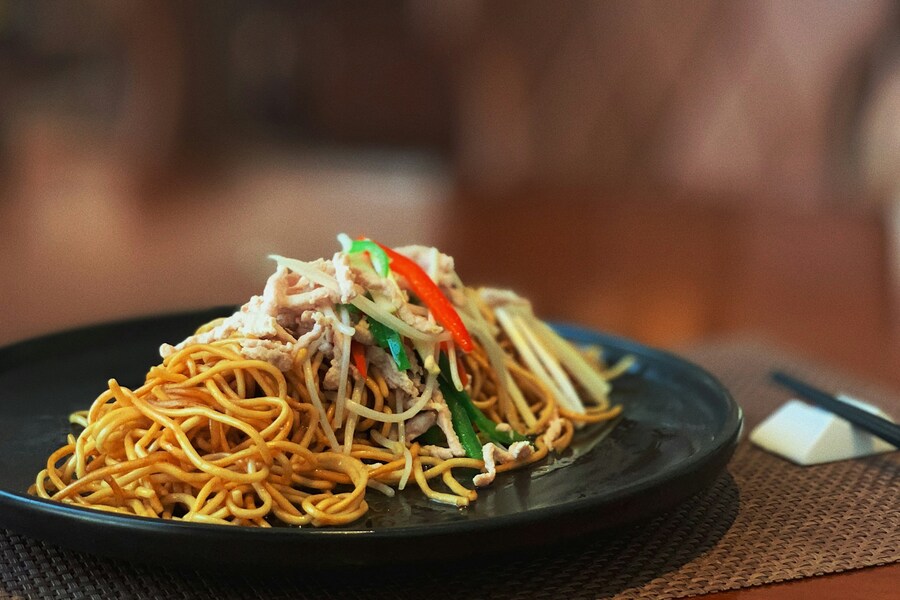
Across Asia, and most prominently in China, Japan, and Korea, noodles take center stage on the New Year's menu, symbolizing longevity. The rule here is strict: the noodles must be eaten without breaking them, as doing so would symbolically "cut short" one's life or the years of good fortune. This is why dishes featuring extraordinarily long noodles, like soba (buckwheat noodles) in Japan, are favored.
In Japan, the tradition is known as Toshikoshi Soba (year-crossing noodles). Soba is easy to bite through, making the act of eating them a clean break from the old year's troubles. The thin, long strands are eaten quickly just before midnight, served either hot in a savory broth or cold with a dipping sauce. In contrast, Chinese longevity noodles are often stir-fried, maintaining their full length as they are twisted and folded in the wok, a visual representation of an unending life path. The sheer length of the noodles dictates that the eater must slurp them without interruption, making this a fun, albeit messy, tradition that binds families together over a shared hope for many, many more years.
3. Round sweets
Source: Timm Bursch/Unsplash
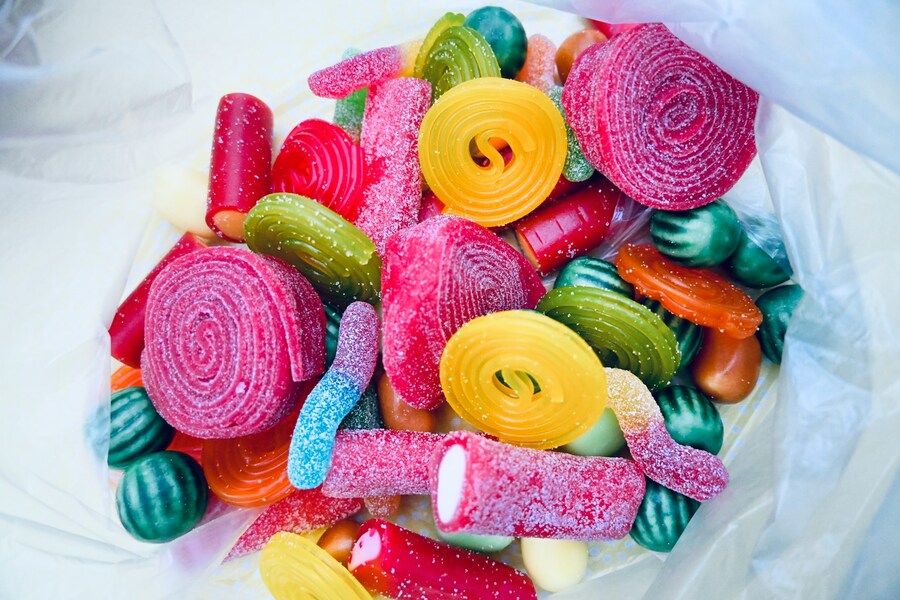
The shape of the circle has universal significance, often representing completeness, continuity, and the cyclical nature of life. In New Year's food traditions, round sweets – and foods in general – are highly prized as they embody the turning of the year. From ring-shaped cakes to spherical fruits, consuming these items is meant to ensure that the year comes full circle, without any "dead ends" or interruptions to good fortune.
In various parts of Europe, ring-shaped bread and pastries, often filled with dried fruit or nuts, are essential. Greece, for example, has Vasilopita, a sweet, round bread or cake baked with a coin hidden inside, similar to the black-eyed pea tradition, symbolizing a year of blessings for the finder. In the Philippines, a tradition dictates that the table must feature twelve different round fruits – one for each month – to ensure a year of prosperity. These fruits are often mandarins, oranges, and grapes, their circular shape mirroring the coins of wealth. Whether it's a donut, a cake, or a cluster of grapes, the common thread is the visual representation of the unbroken cycle, a sweet promise of a smooth, successful year.
4. Dumplings
Source: Matthieu Joannon/Unsplash
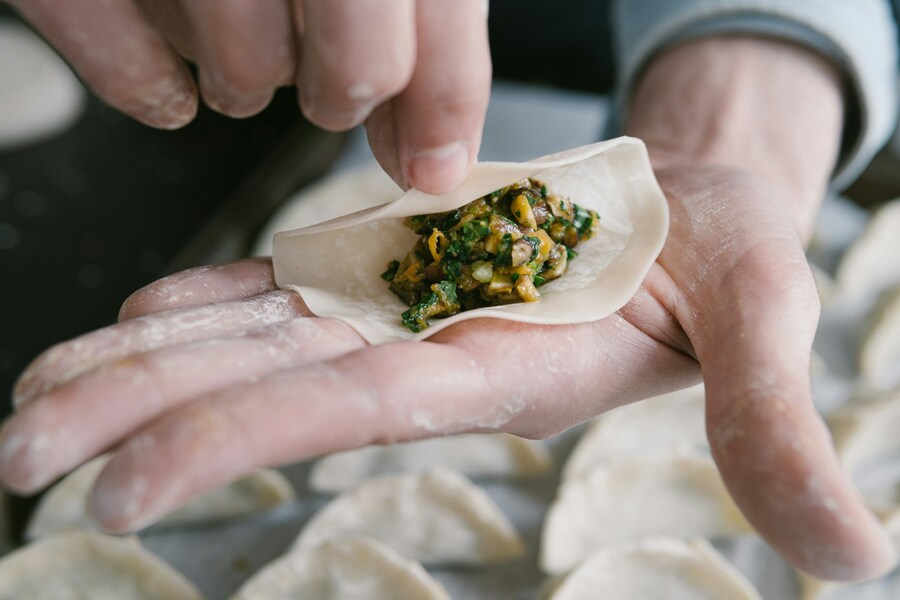
In Chinese culture, the New Year (or Lunar New Year) is the most significant celebration, and the preparation and consumption of dumplings is a centerpiece of the feasting. These small, often crescent-shaped pockets of dough filled with meat and vegetables are more than just a meal; they are miniature edible representations of ancient Chinese money, specifically the gold and silver ingots (yuanbao).
Families gather to fold hundreds of dumplings, a communal activity that strengthens bonds and allows for the sharing of wishes for the future. The more dumplings one consumes, the greater the wealth they are believed to accumulate in the coming year. Sometimes, a single coin is hidden inside one of the dumplings, and finding it is considered a sign of extraordinary luck. The filling often includes ingredients like cabbage and radish, symbolizing a white and prosperous future. The process of sealing the dough is a symbolic act of "sealing in" the good fortune, making this a highly participatory tradition that connects generations through a shared culinary endeavor focused entirely on financial abundance.
5. Pork
Source: Edson Saldaña/Unsplash
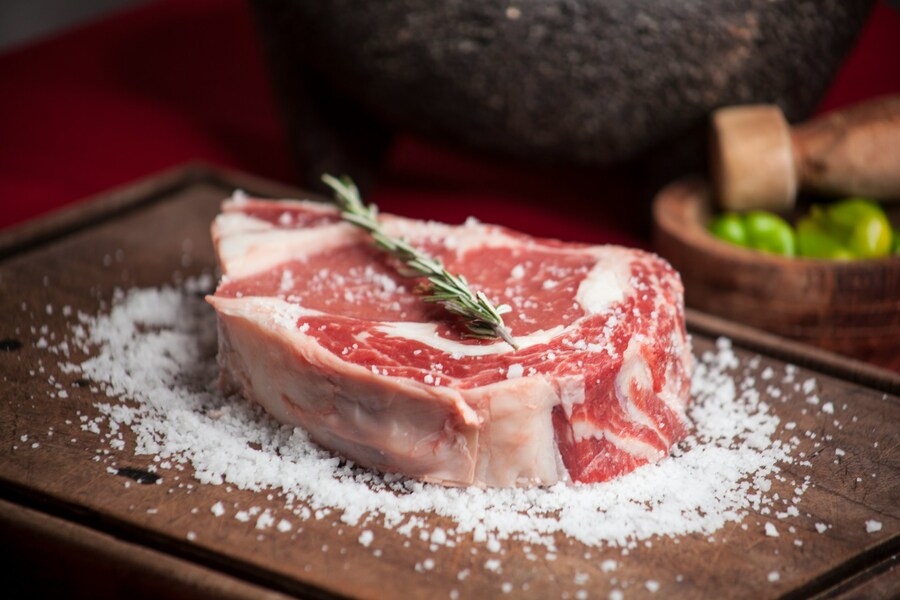
The inclusion of pork in New Year's celebrations, particularly in many European and North American cultures, is a deeply rooted tradition based on the animal's characteristic foraging behavior. Pigs are known for rooting forward with their snouts as they look for food, a motion that symbolizes progress, looking ahead, and moving into the future. Conversely, creatures that scratch backward, such as chickens or turkeys, are often avoided, as their movements are thought to symbolize dwelling on the past or "scratching away" good fortune.
From German Schweinshaxe (roasted ham hock) to the Cuban Lechón Asado (whole roasted pig), the consumption of pork is an act of culinary optimism. In Austria and parts of Germany, marzipan pigs (Glücksschwein) are exchanged as tokens of good luck. In Italy, Cotechino con Lenticchie – a large, slow-cooked pork sausage served with lentils – is a standard, the lentils adding the symbolism of coins to the forward-moving promise of the pork. The rich, fatty nature of the meat also signifies an abundance of sustenance and a lack of want in the year to come, making it a hearty and symbolically potent meal to launch the new cycle.
6. Donuts
Source: Alexander Grey/Unsplash
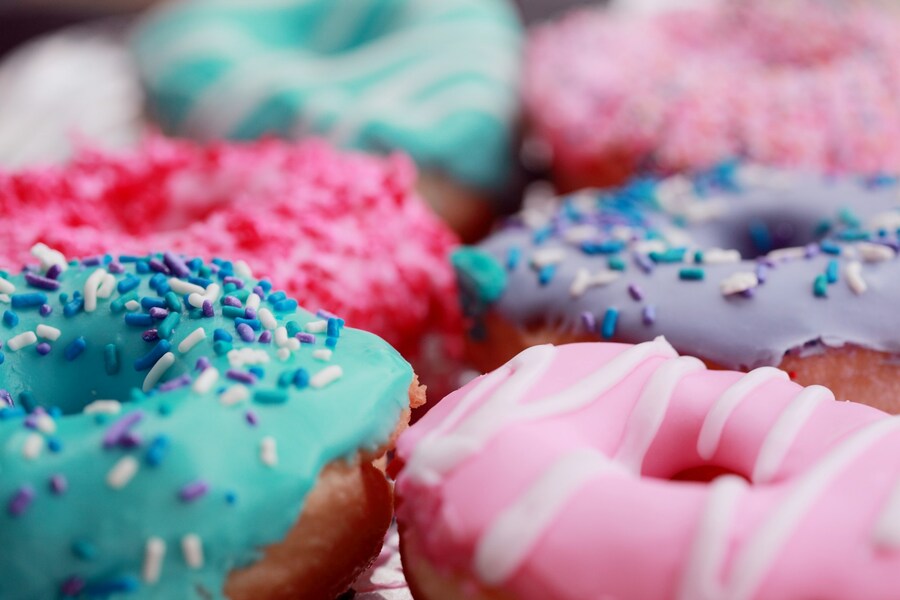
Mirroring the symbolism of round sweets, donuts (or similarly shaped deep-fried dough) represent the complete cycle of the year in many cultures. Their circular shape signifies the uninterrupted nature of life and a smooth transition into the new year. Specifically, the hole in the center of the donut is sometimes seen as representing the empty or "past" year, which is now filled with the promise of the future year represented by the sweet, encircling dough.
In places like the Netherlands and Belgium, Oliebollen (oil balls) are a popular New Year's treat. These are essentially deep-fried balls of dough, often filled with raisins and dusted with powdered sugar, which resemble a type of donut hole. In Germany, Berliner Pfannkuchen (jelly-filled donuts) are eaten. In a playful twist, some bakeries will secretly fill one of the donuts with mustard or another savory filling, and the person who bites into it is said to have the worst luck – or perhaps the best sense of humor – in the coming year. The sweetness of the donut, in general, promises a year filled with joy and easy pleasure.
7. Champagne

Source: Alexander Naglestad/Unsplash
While the other items on this list are solid foods, no New Year's Eve guide would be complete without the celebratory beverage: champagne (or sparkling wine). The effervescence and celebratory nature of this drink have made it a global symbol of ringing in the new year. The cork-popping and the cascade of bubbles signify an outburst of joy, excitement, and a toast to new beginnings.
The tradition of toasting with Champagne gained prominence among European royalty in the 18th century, eventually becoming a staple for celebrations worldwide. The carbonation and the pressure required to contain it are often interpreted as a release of the old year's stresses and an uplifting launch into the next. Whether you are savoring a prestigious Blanc de Blancs or a local, high-quality Prosecco, the action of raising a glass at the stroke of midnight is a shared, unifying ritual, a moment of collective optimism before the clock resets for a fresh start. It's the liquid manifestation of the hopes and dreams embodied by all the symbolic foods that came before it.
The bottom line
The global culinary traditions surrounding New Year's Eve and Day are a powerful testament to the universal human desire for prosperity, longevity, and happiness. From the humble, coin-shaped black-eyed peas of the American South to the intricate, monetary-symbolic dumplings of China, and the forward-moving promise of roasted pork, every bite is imbued with meaning. These aren't merely meals; they are edible rituals designed to influence the flow of good fortune.
For the modern traveler, incorporating these local customs into your itinerary offers a deeper, more enriching holiday experience. Taking the time to seek out a bowl of Toshikoshi Soba in Tokyo or Cotechino con Lenticchie in Rome transforms a regular trip into a cultural pilgrimage. As you plan your gastronomic adventures for the end of the year, remember that meticulous preparation, whether it's understanding the local significance of a noodle dish or securing the best deals on airport parking, is the key to a smooth and prosperous start to the new year. May your new year be as rich and flavorful as the traditions that mark its beginning!


