

The idea of traveling with a baby often conjures images of stress and endless luggage, but in 2026, the reality is wonderfully different. Airports are increasingly streamlined, family amenities are vastly improved, and Europe has embraced a truly baby-friendly culture. Parents of children aged 0-2 years are discovering this is arguably the best time to travel; babies are portable, they often nap anywhere, and they receive free or heavily discounted fares on most transport. The demands of rigid school schedules and high-energy toddlers are still a few years away, offering a golden, flexible window for exploration.
This comprehensive travel guide is designed to empower new parents, stripping away the worry and providing a clear, actionable roadmap for calm and beautiful family trips. We'll cover everything from managing flight logistics and mastering sleep on the go to selecting the perfect destination and packing only the true essentials. We'll also advise on where to stay and how to choose gentle activities, making your trip stress-free and truly memorable. So, let's make that first family adventure happen!
Navigating the world with your little co-pilot: a 2026 family travel manual
 Source: Anastasiia Tarasova/Unsplash
Traveling with a baby doesn't have to mean sacrificing your wanderlust. With a little preparation and the right mindset, your first few years of parenthood can be filled with gentle, memorable adventures.
Why 2026 is a perfect year to travel with a baby
Many people assume a baby is a travel hurdle, but in fact, they make excellent travel companions. They thrive on proximity, go with the flow, and often require nothing more than their primary caregiver, a feed, and a comforting place to sleep – all of which are highly portable.
The infrastructure across Europe has adapted significantly to support this age group. In 2026, parents will notice:
- Dedicated family lanes at many major airport security checkpoints.
- More accessible and well-maintained stroller-friendly transport systems in key cities.
- Upgraded, spacious changing room facilities in attractions and public spaces.
- A wider selection of hotels and rentals offering flexible family policies and essential gear.
This is truly the "golden window." Babies don't need fixed itineraries or high-speed activity. They are happy observing the world from a carrier or stroller, making slow days filled with park visits, quiet cafés, and gentle sightseeing feel deeply satisfying.
Best baby-friendly destinations in Europe for 2026
Choosing the right location can make or break your first trip. The best places for babies offer safety, warmth, excellent accessibility, and a culture that's openly welcoming to children.
- Portugal. An exceptional choice for first-time baby travelers. Portugal is renowned for its safety, warmth, and locals who genuinely adore babies. Areas like Cascais, the Porto riverside, and Lagos offer calm beaches, straightforward walking paths, and a relaxed pace.
- Denmark. For an easy, organized city break, Copenhagen is stroller heaven. The city is flat, incredibly safe, and has an infrastructure built for accessibility. It minimizes the friction points that can often complicate city travel with a pram.
- Spain. Offers a combination of sun and simplicity. Coastal areas like Mallorca and the Costa Brava are especially well-suited with shallow, family-friendly beaches, a warm cultural embrace, and plenty of well-equipped playgrounds.
- Italy. Ideal for slow-paced trips where the emphasis is on beautiful scenery and delicious food. Regions like Tuscany, the villages around Lake Garda, and Lucca allow for early bedtimes and slower mornings, avoiding the need for a relentless schedule.
- France. With an excellent rail system and beautiful, walkable cities, France is both practical and picturesque. Consider the parks of Paris or family-focused stays in Provence for a manageable trip.
Flying with a baby (0-2) in 2026
The flight itself is often the biggest source of anxiety. Knowing the logistics helps immensely.
Pre-flight preparations
When heading to the airport, consider convenient options like booking in advance with services, such as ParkingNearAirports.io. They provide great airport parking alternatives to the expensive on-site garages, often including secure, long-term options. Be sure to understand their flexible terms if you need to cancel airport parking reservation last-minute, and always check for certifications related to airport parking safety to ensure peace of mind.
In-flight tips
- Security. Remember that infant essentials are exempt from the standard liquid rules. You are permitted to carry formula, breast milk, baby food, and water for mixing, even in containers over 100mL.
- Seating strategy. If traveling with a baby under six months, try to book the bulkhead row to secure a bassinet. For older babies, two adults can book the aisle and window seats; the middle seat is often left free, giving you precious extra space.
- Take-off & landing. The key to managing ear pressure is to ensure the baby is actively swallowing. Feeding – whether breastfeeding, bottle-feeding, or using a dummy – is the best way to achieve this.
Essentials for the plane bag
Pack an emergency change of clothes for yourself in addition to the baby's spares, three versatile muslins, a zip-up sleepsuit for easy nappy changes, and pre-measured formula portions if you are bottle-feeding.
Baby sleep on holiday (stress-free method)
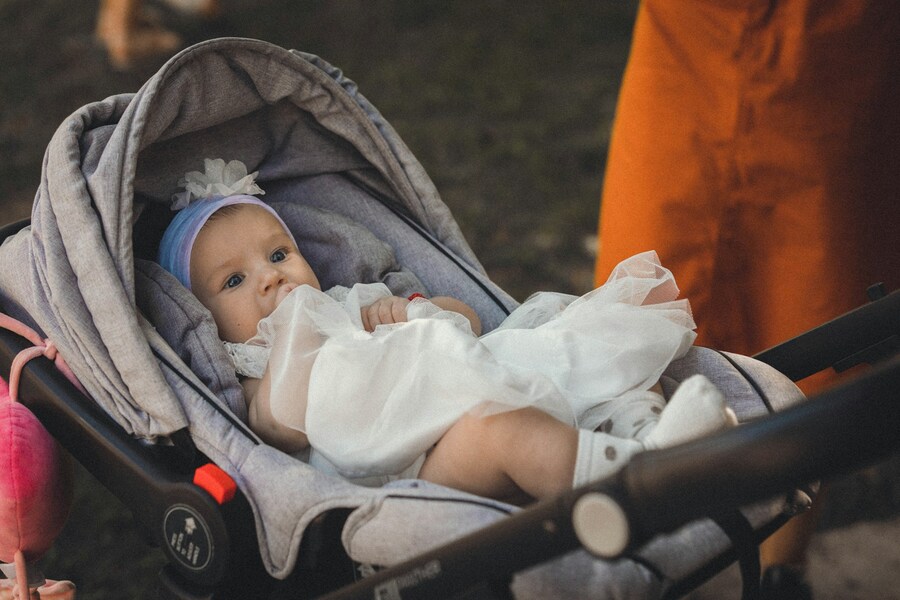
Maintaining a perfect routine is unrealistic, but consistency is achievable. Adopt the simple 70/30 rule for naps: aim for 70% of naps in the quiet, dark accommodation and allow 30% to happen on the go, in a stroller or carrier. This provides a rhythm while still enabling flexible sightseeing.
- Familiar sleep cues. Babies are guided by sensory cues. Bring a familiar travel sleep sack, a small sheet from home that smells familiar, and use a white noise app or portable machine. A portable blackout blind is an absolute game-changer for European summer trips where daylight hours are long.
- Core routines. You only need to maintain one or two core routines like a shortened version of bath → milk → story, or simply milk → cuddle → sleep sack. The location might change, but the sequence of events signals "sleep time."
Source: Tamara Govedarovic/Unsplash
Baby packing list (0-2) – 2026 essentials
Packing can be minimal when focused on versatile items.
- Must-pack primary gear. A lightweight, cabin-approved travel stroller (ideally with a lie-flat seat and a one-hand fold), a breathable baby carrier for navigating historical sites with steps, a familiar sleep sack, muslins, and baby SPF.
- Feeding & comfort. If bottle-feeding, pre-measured formula in a dispenser saves time. Bring two bottles, a snacking pot for older babies, and simple bottle cleaning tablets. A portable white noise machine and a clip-on high chair (for apartment rentals) are excellent non-essential lifesavers.
Stroller vs. baby carrier: the ideal combination
You don't have to choose one over the other. The best solution is to use them both strategically.
- The travel stroller. Perfect for long airport walks, reliable naps (the lie-flat feature is crucial), and covering long distances. Choose one with a good shade canopy to protect from the strong European sun.
- The baby carrier. Absolutely essential for navigating the reality of Europe's charm: narrow, cobblestone streets, endless stairs in older hotels, and the high heat of midday. It keeps the baby close and allows you to move freely where wheels cannot.
The 2026 recommendation is simple: stroller for naps and long walks; carrier for old towns and historic sites.
Where to stay: baby-friendly accommodation tips
A hotel room can feel restrictive. For maximum ease, prioritize apartments or aparthotels.
- The non-negotiables for parents. Parents need more than just a bed. Look for a unit that includes a fully functional kitchen (for sterilizing bottles and preparing basic meals), a separate proper eating area (so you don't eat in the dark after the baby is asleep), and crucially, access to laundry facilities.
- Advance requests. Always confirm the availability of a baby cot and a kettle in advance. Politely ask for a "quiet room" away from elevators, ice machines, or street noise.
- Best locations. When booking, select accommodation near high-value assets for parents: parks, quiet cafés, waterfronts, and playgrounds. Keeping daily walks short and low-effort prevents fussiness and burnout.
Baby-friendly activities
Sightseeing is still possible, but the pace and focus must shift. Choose gentle activities that are sensory, short, and primarily involve movement or observation.
Excellent choices
- Boat rides or river cruises (the gentle movement is often very soothing).
- Aquariums (calm, dark, and visually stimulating).
- Scenic train routes or cable cars (easy to sit and watch the world go by).
- Park picnics and gentle walking tours (done during the cooler, calmer morning hours).
Activities to avoid
Long bus days, multi-stop itineraries, high-heat time slots, or crowded, lengthy museums that demand silence and stillness. Your baby sets the pace, and the goal is observation, not attainment.
The bottom line

Source: Tim B Motivv/Unsplash
Traveling with a baby in 2026 is an incredibly rewarding experience, made easier by a global shift toward family-friendly amenities. The secret to a successful trip is letting go of the need for perfection. Your baby doesn't need the itinerary; they need a calm parent, a clean nappy, and a full belly. Embrace the 70/30 sleep rule, prioritize the essential packing list, and choose destinations known for their gentle pace and warm welcome. The memories you create will be priceless, and the experience will empower you to see the world not despite your new family, but because of it.
Remember that these early travel years offer unparalleled flexibility; you are free from school holiday surges and rigid meal times. This is your chance to discover a slower, more intentional style of exploration, centered on your little one's rhythm. When hiccups inevitably happen – a delayed flight, a sleepless night, a change of plans – approach them with patience, knowing that a brief moment of stress doesn't ruin the entire holiday. Focus on the simple joy of sharing new sights and sounds with the newest member of your family, building their early foundations of curiosity and adaptability.
May your journeys be filled with sunlight, smooth transitions, and moments of profound connection. Happy travels in 2026!


