

March is a celestial bridge where winter's clarity meets spring's arrival. This month, the night sky features a packed calendar, from a rare six-planet alignment to a dramatic total lunar eclipse. Whether you are a professional astrophotographer or a casual observer, the heavens are ready to put on a world-class show. For those traveling to dark-sky preserves, securing inexpensive airport parking through ParkingNearAirports.io ensures a smooth start. Check the price for parking and make an airport reservation early.
So, are you ready to witness the spectacular clockwork of our universe?
 Source: Kaleb Brown/Unsplash
To make the most of this month's astronomical calendar, you need to know exactly when and where to look. The following travel guide details nine essential events that define the month, providing the context you need to turn a simple glance upward into a profound connection with the cosmos.
March 1-4: catch a 'parade' of six planets
The month opens with a spectacular "planetary parade" featuring Mercury, Venus, Saturn, Jupiter, Uranus, and Neptune. These six neighbors will align along the ecliptic, the sun's apparent path across our sky. Because the planets orbit in a relatively flat plane, they appear to form a cosmic line, offering a rare opportunity to view much of our solar system in a single glance.
Precise timing is essential, as Mercury, Saturn, and Neptune dip below the western horizon shortly after sunset. While Venus and Jupiter will be brilliantly visible to the naked eye, the distant ice giants, Uranus and Neptune, require binoculars or a telescope. For the best view, find a location with a clear, unobstructed western horizon immediately after twilight begins.
March 3: a total lunar eclipse ushers in the 'Blood Moon'
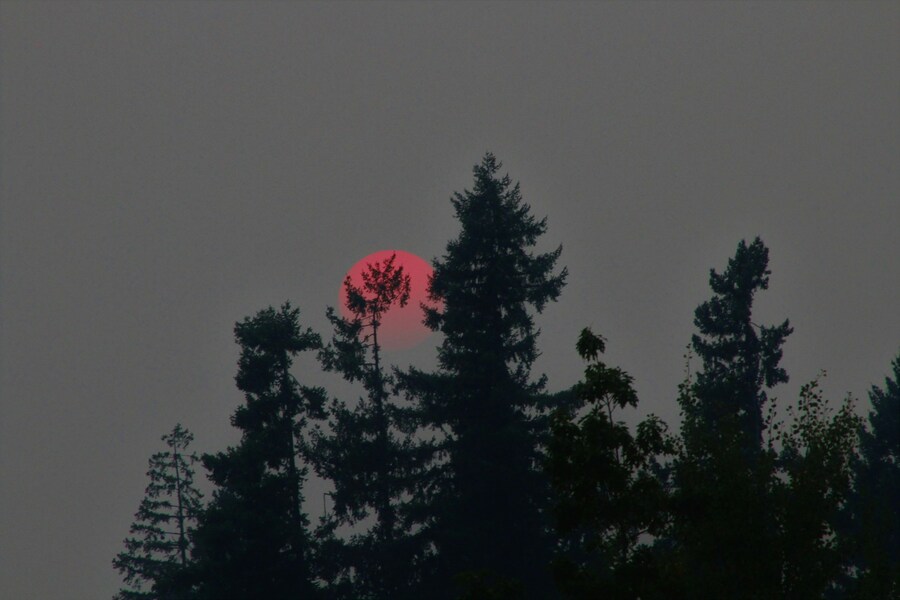
The most anticipated event of the month arrives on March 3, when Earth passes directly between the sun and the moon. This alignment creates a total lunar eclipse, transforming our pale satellite into a glowing, copper-red orb. This "Blood Moon" effect occurs as Earth's atmosphere scatters blue light and refracts longer red wavelengths into the shadow, projecting a sunset-like glow onto the lunar surface.
Visibility is excellent across North America, Asia, and Australia. The excitement builds as the dark "bite" of Earth's shadow consumes the moon, leading to totality at approximately 6:04 a.m. ET. For about an hour, the moon will hang like a burnished ember. This hauntingly beautiful sight requires no special equipment, though binoculars reveal stunning color variations across the lunar craters.
March 8: Daylight Saving Time pushes back the night
On March 8, at 2:00 a.m., clocks in the United States will "spring forward" by one hour. While this change is often celebrated for providing more daylight for afternoon walks and outdoor chores, it presents a bittersweet challenge for the astronomical community. The shift to Daylight Saving Time means that the onset of true darkness occurs much later in the evening.
For families with young children or amateur astronomers who prefer early nights, this shift marks the end of the "convenient" stargazing season. By the time the sky is dark enough to see deep-sky objects like nebulae or distant galaxies, the hour is often quite late. Conversely, this change provides an extra hour of morning darkness, which can be a boon for early risers looking to catch the Milky Way or pre-dawn planetary rises before heading to work.

Source: Olha Vilkha/Unsplash
March 7-8: Saturn and Venus in conjunction
In the midst of the time change, two of the brightest objects in the sky will perform a close celestial dance. On the evenings of March 7 and 8, Venus and Saturn will appear in conjunction. From our vantage point on Earth, they'll look as if they are side-by-side in the western sky, separated by a mere 1 degree.
Venus, often called the "Evening Star," will be significantly brighter than Saturn, making it the primary marker for finding the pair. If you hold your thumb at arm's length, it'll roughly cover the distance between the two planets. While this pairing is easily seen with the naked eye, viewing it through a telescope is highly rewarding. At low magnification, you may be able to see both the brilliant disk of Venus and the iconic rings of Saturn in the same field of view, a rare and beautiful perspective on the scale of our solar system.
March 10-25: Zodiacal Light
Between March 10 and March 25, viewers in the Northern Hemisphere have a chance to witness one of the most ethereal sights in the sky: the Zodiacal Light. Often called "false dawn" or "false dusk," this is a faint, triangular pillar of light that extends upward from the horizon. It's caused by sunlight reflecting off trillions of microscopic dust particles left behind by comets and asteroids.
To see the Zodiacal Light, you must be far away from city lights, as even a small amount of light pollution can wash it out. Look toward the western horizon about 60 to 90 minutes after the sun has set. Because the moon is transitioning toward its new phase during this period, the sky will be dark enough to allow this ghostly glow to become visible. It's a subtle phenomenon, appearing almost like the distant glow of a city, but its perfectly triangular shape along the ecliptic reveals its cosmic origin.
March 18: New Moon
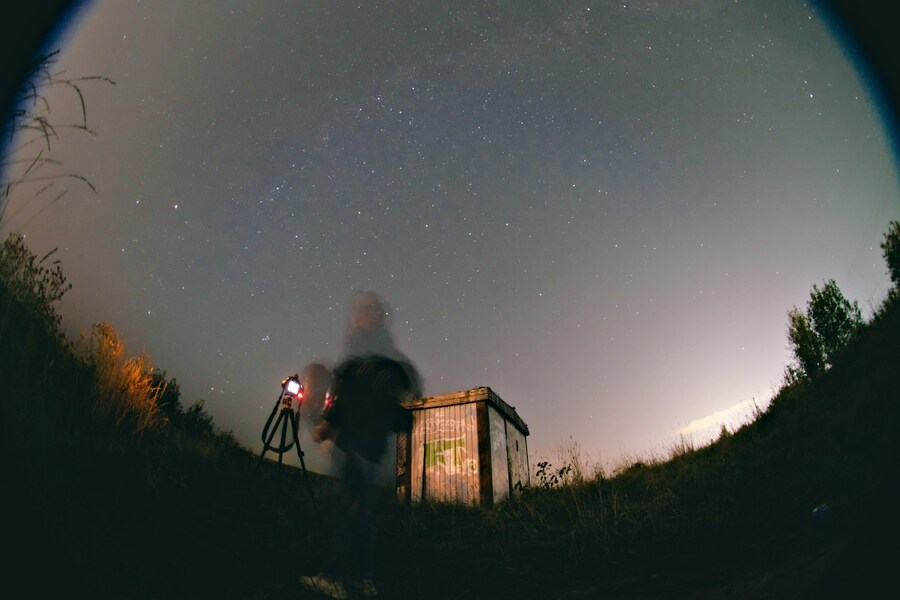
The New Moon on March 18 provides the ultimate "blank canvas" for stargazing. With the moon positioned between the Earth and the sun, its illuminated side faces away from us, leaving the night sky exceptionally dark. This is the best time of the month to hunt for "deep-sky" objects that are usually drowned out by lunar glare.
One such target is the Cigar Galaxy, also known as M82. Located in the constellation Ursa Major, this galaxy is undergoing an intense burst of star formation. Through binoculars, it looks like a thin, silver splinter of light. However, if you have access to a small telescope, you can begin to see the mottled texture of its galactic disk. The darkness of the New Moon makes these faint photons much easier to capture.
Source: Denis Egorov/Unsplash
March 20: celebrate the Vernal Equinox
March 20 marks a pivotal moment in Earth's orbit: the Vernal Equinox. At approximately 10:46 a.m. EDT, the sun will cross the celestial equator, heading north. This event signals the official start of spring in the Northern Hemisphere and autumn in the Southern Hemisphere. On this day, the Earth's axis is tilted neither toward nor away from the sun, resulting in nearly equal amounts of day and night across the entire planet.
For skywatchers, the equinox is a time of symmetry. The sun rises exactly due east and sets exactly due west. It's a fantastic day to calibrate your observing locations and appreciate the celestial mechanics that govern our seasons.
March 20: catch a crescent moon and Venus at dusk
Following the equinox, the evening of March 20 offers a picturesque "photograph" moment in the sky. As the sun sets, a very thin, delicate crescent moon will appear near Venus in the western twilight. This pairing is one of the most aesthetically pleasing sights in astronomy. The "Old Moon in the New Moon's arms" – a phenomenon where the dark portion of the moon is faintly visible due to light reflecting off the Earth (Earthshine) – is often very prominent during this phase. The brilliance of Venus contrasted against the fragile lunar sliver creates a stunning vista for anyone looking West after dinner.
March 1-31: see the Milky Way
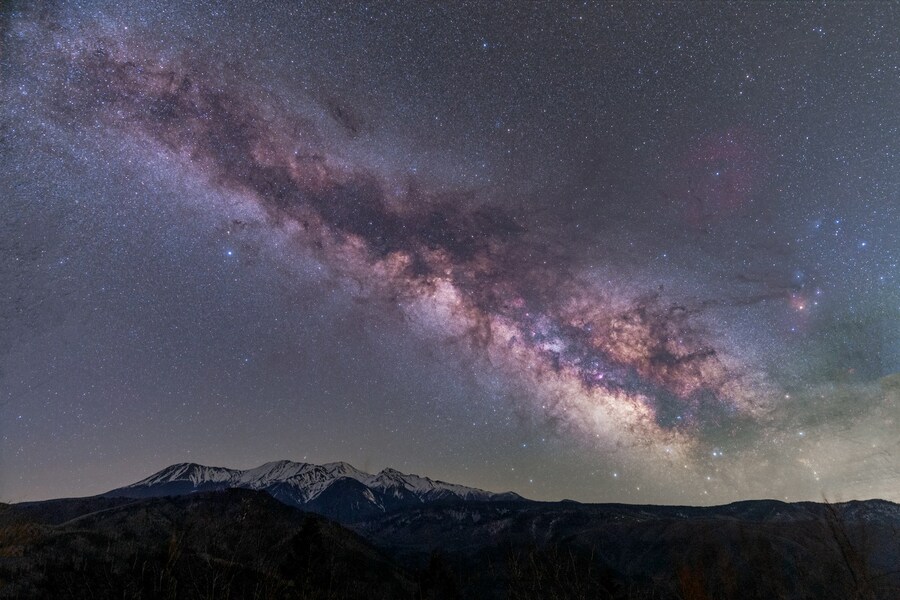
Finally, throughout the entire month of March, early morning observers can witness the return of the Milky Way's core. While the galactic center is hidden during the winter, it begins to rise in the southeast during the pre-dawn hours of March.
To see it, you'll need to find a dark-sky location between 3:00 a.m. and 5:00 a.m. As your eyes adjust to the darkness, the faint, cloudy band of our galaxy will become visible, stretching across the southern horizon. It's a humbling reminder of our place in a vast island of stars, and a perfect way to conclude a month of celestial exploration.
The bottom line
Source: KOTA HAMORI/Unsplash
March is a month of profound transformation, bridging the gap between winter's chill and spring's renewal. From the dramatic Blood Moon to the elusive Zodiacal Light, the heavens offer endless discovery. Take a moment to step outside, look up, and witness the spectacular clockwork of our universe. Safe travels and clear skies!


