

The American wilderness is often defined by the
So, how do you navigate the logistics of a roadless wilderness?
Reaching these secluded gems requires coordinating ferries or bush planes, often starting at major transit hubs. To simplify logistics, savvy travelers utilize domestic airport parking to secure their vehicles before heading into the wilderness. Since remote charters are costly, finding an airport parking promo or comparing airport parking rates helps balance your expedition budget. By using ParkingNearAirports.io for off-site parking and shuttles, you ensure your car is safe while you enjoy the rare, disconnected solitude of the backcountry.
The ultimate guide to America's most secluded national parks
To step into these parks is to step back in time. Without the infrastructure of gift shops and paved loops, the environment dictates the terms of your stay. Whether you are snorkeling over pristine coral reefs in the Gulf of Mexico or tracking grizzly bears in the Alaskan tundra, the absence of roads creates a visceral connection to the land. The following travel guide explores the most prestigious and difficult-to-reach parks in the United States, offering a roadmap for those ready to leave the grid behind.
Dry Tortugas National Park – Florida
Source: Bryan Goff/Unsplash
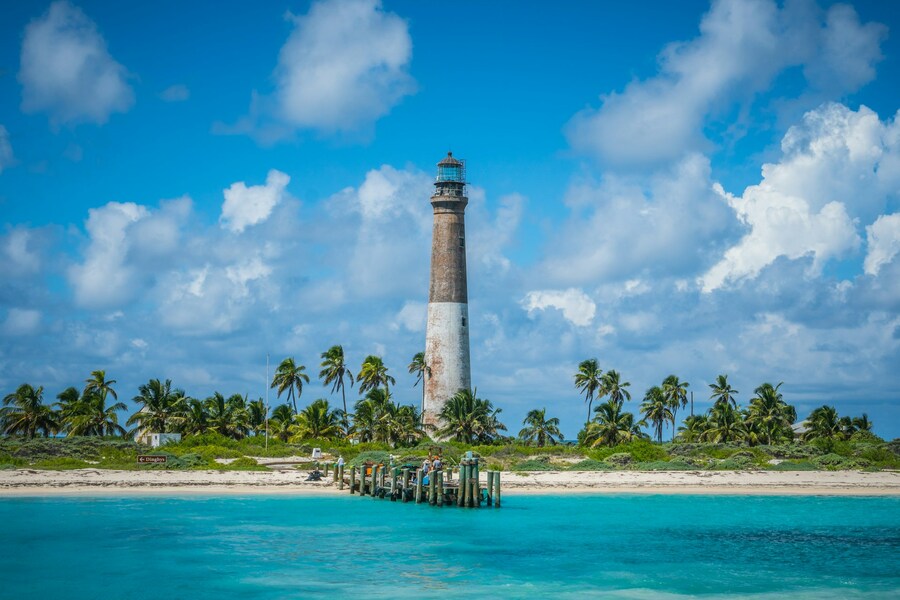
Located roughly 70 miles west of Key West, Dry Tortugas National Park is a maritime wonderland that feels more like the Caribbean than the United States mainland. The park is dominated by the massive, hexagonal Fort Jefferson, one of the largest 19th-century masonry structures in the Western Hemisphere. Access is strictly limited to the Yankee Freedom ferry, private vessels, or seaplanes. The seaplane journey is particularly breathtaking, providing a bird's-eye view of the turquoise waters, shipwrecks, and sea turtles swimming in the shallows below.
Once you arrive, the activity list is centered on the water. The snorkeling here is legendary, as the park protects the least disturbed coral reefs in the Florida Keys. Because of its remote nature, the water clarity is exceptional, allowing visitors to see vibrant tropical fish and coral formations right off the moat wall of the fort. For those who choose to camp, the experience is transformative. Once the daily ferry departs in the afternoon, the island becomes a silent sanctuary under a canopy of stars, with only the sound of the wind and the waves to keep you company.
Gates of the Arctic National Park & Preserve – Alaska
Source: Jacob Vizek/Unsplash
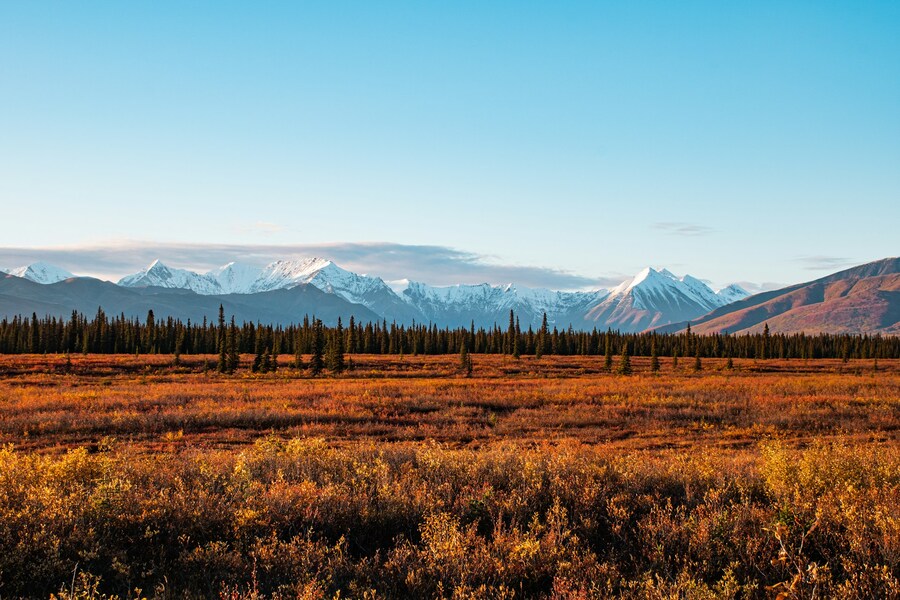
Gates of the Arctic is the quintessential wilderness. There are no roads, no trails, and no established campsites. This park, located entirely north of the Arctic Circle, is roughly the size of Switzerland, yet it remains one of the least visited units in the National Park System. Most visitors arrive via air taxi from Fairbanks or the small village of Bettles. Dropping onto a gravel bar or a remote lake in a bush plane is the only way to penetrate this vast expanse of jagged limestone peaks and sweeping tundra valleys.
Travel here requires peak self-sufficiency. Hikers must be proficient in land navigation and bear safety, as the park is home to grizzlies, wolves, and the massive Western Arctic Caribou Herd. The landscape is defined by the Brooks Range, which bisects the park and creates a dramatic backdrop for backcountry floating trips down the Noatak or Kobuk Rivers. It's a place where you can walk for a week and never see another human footprint, offering a profound sense of scale and a humbling reminder of nature's indifference to man.
Isle Royale National Park – Michigan
Source: Hans/Unsplash
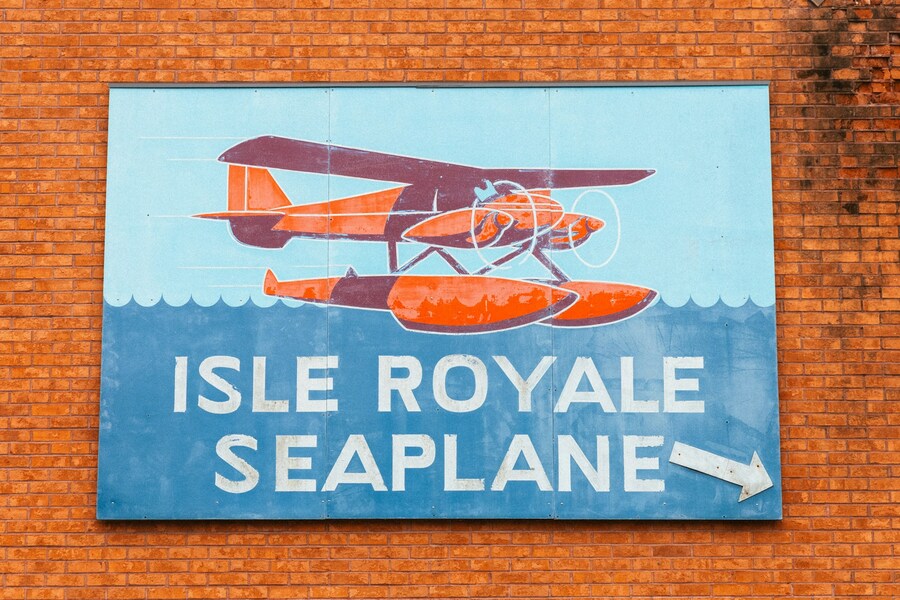
Tucked away in the frigid waters of Lake Superior, Isle Royale is an island wilderness known for its rugged shoreline and its famous long-term study of wolves and moose. To get here, visitors must take a ferry from Houghton or Copper Harbor, Michigan, or from Grand Portage, Minnesota. The boat ride can take between two to six hours depending on the departure point and the temperament of the lake, which is known for its sudden storms and rolling swells. Alternatively, a seaplane service offers a faster, albeit more expensive, entry point.
Isle Royale is a hiker's paradise. A network of trails crisscrosses the island, leading through dense forests and over rocky ridges that offer panoramic views of the "Inland Sea." The park is unique because it's one of the few places where you can experience true island biogeography in a freshwater setting. Shipwreck diving is also a major draw; the cold, clear waters of Lake Superior have preserved numerous vessels that fell victim to the island's rocky shoals. Because the park is closed during the winter months, the summer season is a concentrated burst of life and activity for both the wildlife and the dedicated backpackers who return year after year.
Katmai National Park & Preserve – Alaska
Source: Paxson Woelber/Unsplash
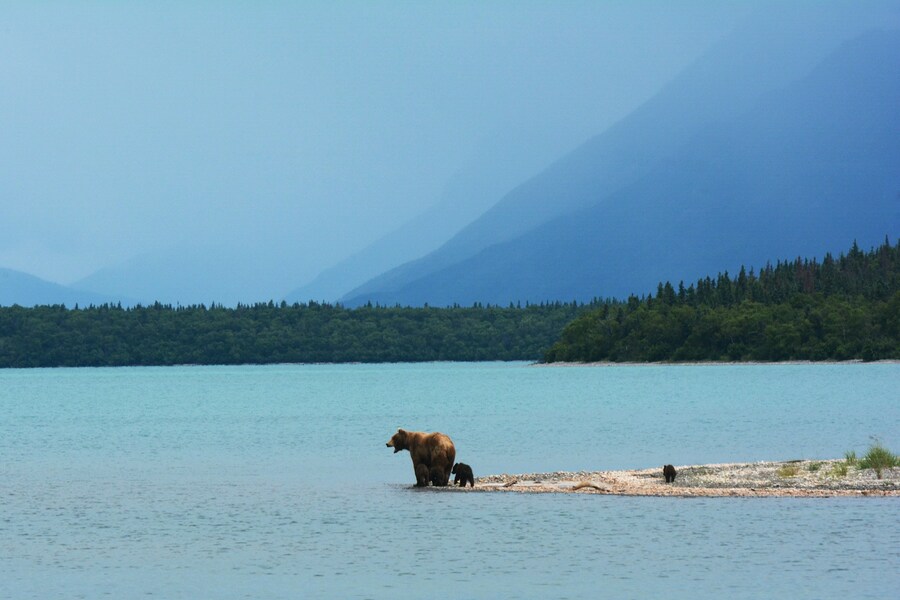
While many people recognize the iconic images of brown bears catching salmon at Brooks Falls, few realize how much effort it takes to see it in person. Katmai National Park is located on the Alaska Peninsula and is inaccessible by car. Most visitors fly into King Salmon on a commercial flight and then take a floatplane to Brooks Camp or other remote lodges. This transition from a standard aircraft to a plane with pontoons is the definitive start of a Katmai adventure.
While the bears are the primary attraction – especially during the July and September salmon runs – Katmai also offers a hauntingly beautiful volcanic landscape. The Valley of Ten Thousand Smokes, created by the massive eruption of Novarupta in 1912, is a moon-like expanse of ash and tuff that serves as a stark contrast to the lush coastal sedge meadows. Exploring this valley requires a strenuous hike or a guided tour, but it offers a rare look at the raw power of geothermal forces. Whether you are watching a thousand-pound bear or standing on the edge of a volcanic crater, Katmai feels like a world still in the process of being forged.
Channel Islands National Park – California
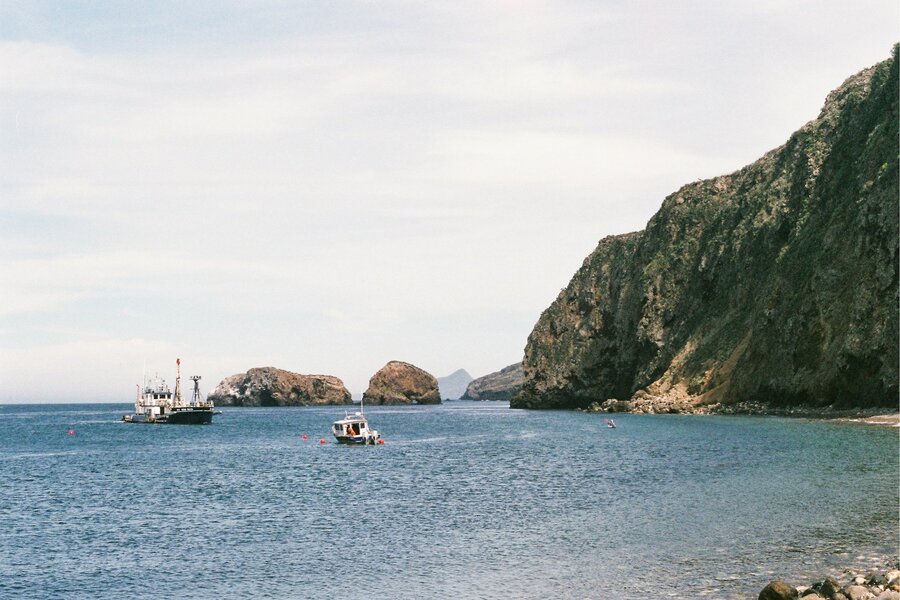
Source: Cecilia Frost/Unsplash
Often referred to as the "Galapagos of North America," the Channel Islands are an archipelago of five islands off the coast of Southern California. Despite being visible from the mainland on a clear day, they feel light-years away from the sprawl of Los Angeles. Access is provided by Island Packers Cruises from Ventura or Oxnard, or via small aircraft to Santa Rosa Island. Each island has its own distinct personality, from the sea caves of Anacapa to the sprawling grasslands of Santa Cruz.
The isolation of the islands has allowed unique species to evolve, such as the diminutive Island Fox, which can be seen scurrying through the campsites. Sea kayaking is perhaps the best way to experience the park's rugged coastline, as it allows paddlers to enter massive sea caves and get close to the kelp forests that teem with Garibaldi fish and harbor seals. Because there are no services on the islands – no food, no water, and no trash cans – visitors must bring everything they need, reinforcing the "leave no trace" ethos that defines these protected offshore habitats.
Lake Clark National Park & Preserve – Alaska
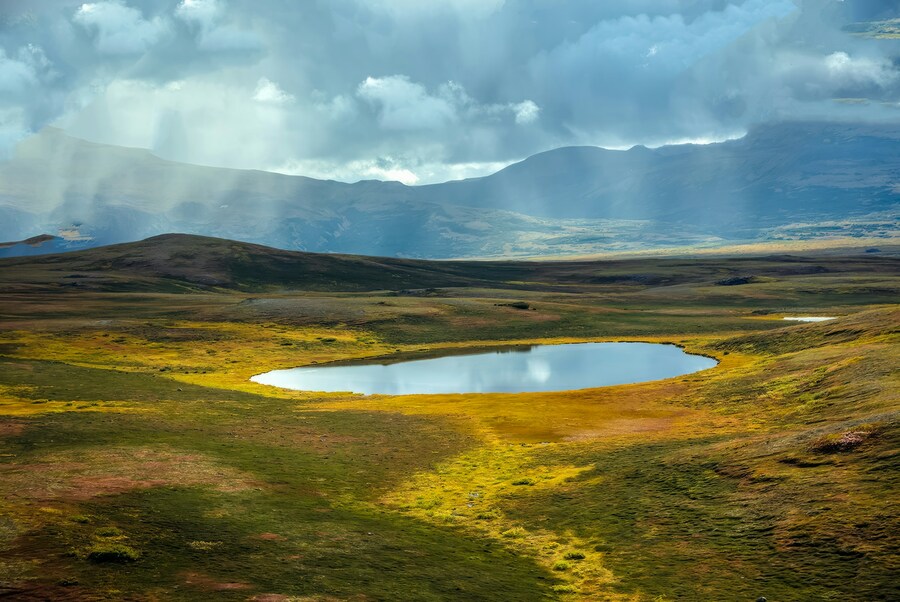
Source: Carol Highsmith's America/Unsplash
Lake Clark is a masterpiece of Alaskan diversity, featuring smoking volcanoes, turquoise lakes, and jagged granite spires known as the Twin Peaks. Situated about 100 miles southwest of Anchorage, it's another park that exists entirely without a road connection. Access is primarily by small plane, with many flights landing directly on the beaches of Cook Inlet or on the surface of Lake Clark itself. The flight is an attraction in its own right, passing over the massive glaciers of the Chigmit Mountains.
The park offers world-class fishing and bear viewing, particularly at Silver Salmon Creek and Chinitna Bay. Unlike the more crowded viewing platforms at Katmai, Lake Clark offers a more intimate experience where visitors can often watch bears digging for clams on the beach with very few other people around. For the adventurous, the park's interior offers incredible kayaking and rafting opportunities on the Tlikakila River. It's a place of immense quiet, where the only sounds are the rustle of the wind through the fireweed and the occasional splash of a leaping salmon.
Kobuk Valley National Park – Alaska
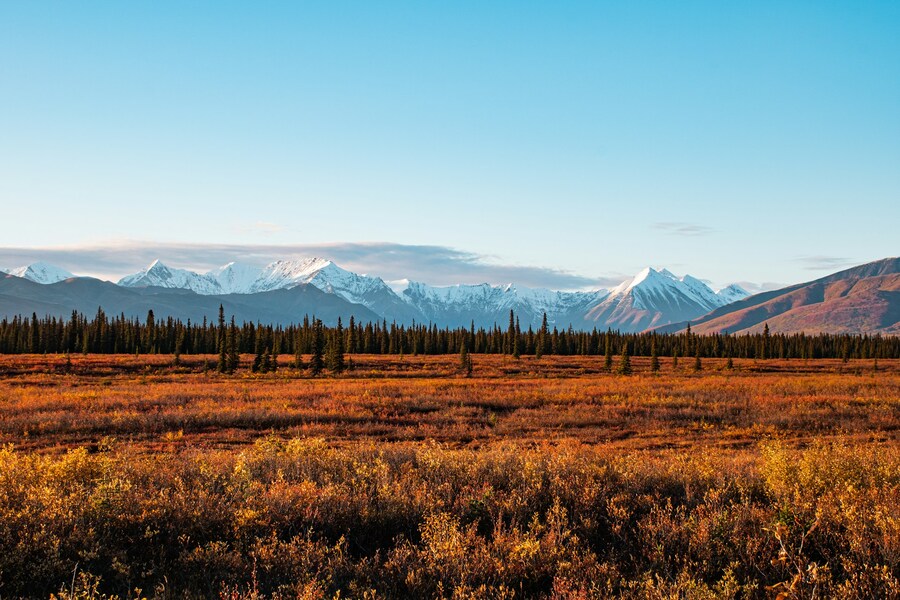
Source: Tim Nieland/Unsplash
Perhaps the most surprising landscape in the Arctic is found in Kobuk Valley National Park. Here, 25 miles of shifting sand dunes – the Great Kobuk Sand Dunes – rise out of the surrounding spruce forest. Located in northwestern Alaska, the park is reached by air taxi from Kotzebue or Bettles. There are no facilities of any kind, meaning visitors must be entirely self-reliant. The dunes themselves can reach heights of 100 feet and are a surreal sight in a region typically associated with ice and permafrost.
The park is also a vital corridor for the caribou migration. Every year, half a million caribou cross the Kobuk River at Onion Portage, a site that has been used by indigenous hunters for thousands of years. This intersection of natural history and human culture is palpable. Visitors often spend their time trekking across the dunes or paddling the slow-moving Kobuk River, taking in a landscape that feels like a forgotten remnant of the Pleistocene era. It's a harsh, beautiful, and demanding environment that rewards the few who make the effort to reach it.
Conclusion
The journey to these 7 national parks proves that the most meaningful experiences often require the greatest effort. By trading the highway for a boat or a plane, you gain access to a version of America that remains truly wild. While navigating logistics and securing domestic airport parking may seem daunting, the reward is a profound connection to the natural world. Whether standing on Arctic dunes or diving into coral reefs, these roadless sanctuaries remind us that magic still exists in the quietest corners of the globe. May your journey be smooth, your pack light, and your spirit as boundless as the horizon you're about to explore. Safe travels!


