

Shanghai is a city that never stops moving, and nowhere is this more evident than at
So, are you ready to master your journey through China's premier gateway?
 Source: Ahmed Nishaath/Unsplash
To truly understand the scale of Shanghai Pudong International Airport, one must appreciate its role not just as a transport center, but as a microcosm of the city itself. The airport has evolved significantly to handle the increasing volume of international and domestic traffic, focusing on technological integration and passenger comfort. From the moment you step off the plane or arrive at the departure hall, the blend of efficient engineering and high-end hospitality becomes apparent. The facility is designed to move tens of millions of passengers annually while maintaining a level of cleanliness and order that reflects Shanghai's global status.
PVG at a glance
Shanghai Pudong International Airport, identified by its IATA code PVG, stands as a titan in the global aviation industry. It's one of the two major airports serving Shanghai, with the other being Hongqiao. While Hongqiao handles a large portion of domestic flights and shorter regional routes, Pudong is the primary international hub. It serves as a major base for China Eastern Airlines and Air China, while also acting as a secondary hub for Southern Airlines. The airport is renowned for its striking architecture, particularly the seagull-inspired design of Terminal 1, which symbolized the city's soaring ambitions when it first opened. Today, the airport features two main passenger terminals and a massive satellite concourse, making it one of the largest airport complexes in the world by floor area.
Location and orientation
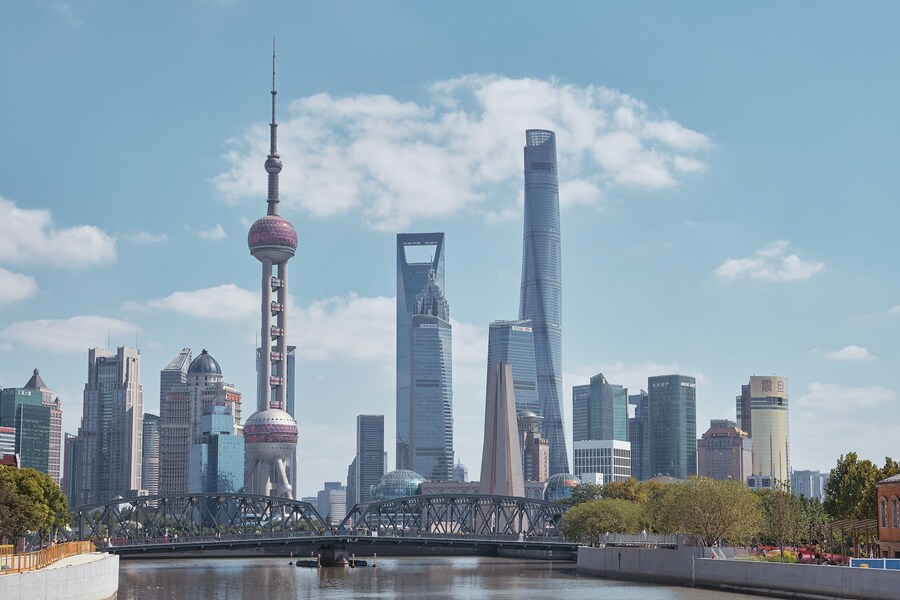
Located approximately 30 kilometers east of the city center, the airport occupies a vast stretch of coastal land along the edge of the East China Sea. Its geographic position in the Pudong New Area places it strategically near the Zhangjiang Hi-Tech Park and the expanding financial districts. While the distance from the historic Puxi side of the city might seem significant, the airport is well-integrated into the regional infrastructure. For travelers, the location offers a dramatic introduction to the city, as the skyline of the Lujiazui financial district often appears on the horizon during the drive or train ride into town. Understanding the layout of the surrounding district is helpful for those who may need to stay nearby for early morning departures or late-night arrivals.
Transport and connectivity
Getting to and from the airport is an experience in itself, largely thanks to the world-famous Maglev train. Reaching speeds that make traditional rail seem sluggish, the Maglev connects the airport to Longyang Road Station in less than eight minutes. For those seeking a more direct route to specific neighborhoods, the Shanghai Metro Line 2 serves as a reliable and cost-effective artery, running across the entire city from east to west. In addition, a sophisticated network of airport buses connects Pudong with various hubs, including the Shanghai Railway Station and Hongqiao Airport. Taxis and ride-hailing services are readily available, though travelers should be mindful of peak-hour traffic, which can significantly extend travel times to the city center.
Shanghai Airport parking
For those who prefer the autonomy of driving, the airport offers extensive on-site facilities. There are large parking structures located directly opposite Terminal 1 and Terminal 2, providing convenient access for short-term stays and passenger drop-offs. However, for travelers looking for more economical solutions during longer trips, exploring options for affordable airport parking is a wise move. While the official airport lots are convenient, they can be costly for extended durations. Many frequent flyers choose to utilize off-site providers who offer secure lots and shuttle services to the terminals. For instance, platforms like ParkingNearAirports.io provide comprehensive listings of nearby facilities that often feature more competitive pricing. When you purchase to fly, knowing your vehicle is in a safe, monitored environment allows you to focus entirely on your destination. Comparing the different rates for airport parking before you leave home ensures that you find a balance between proximity to the gates and budget-conscious planning.
Terminal overview
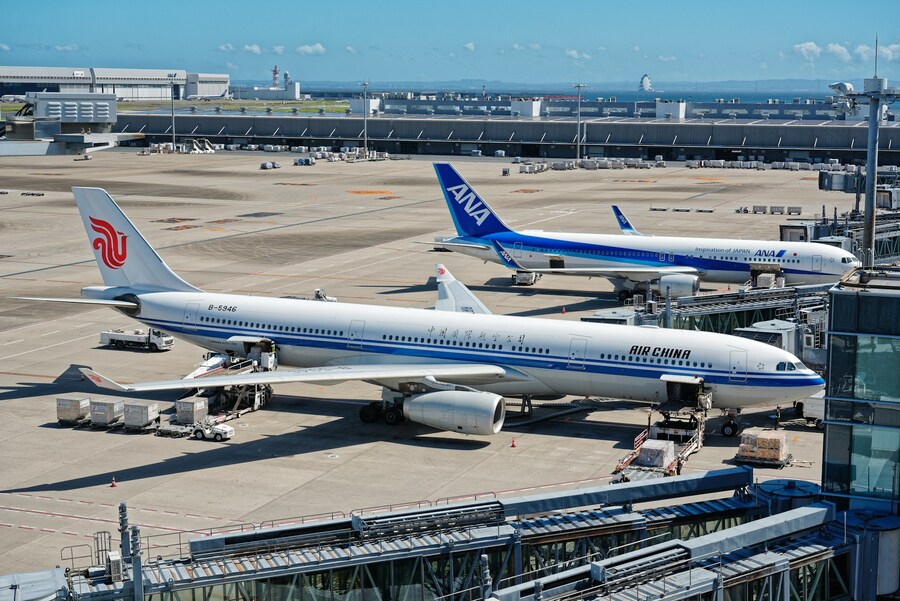
The airport's footprint is divided into Terminal 1, Terminal 2, and the Satellite Concourse (S1 and S2). Terminal 1 primarily serves China Eastern and its SkyTeam partners, while Terminal 2 hosts Air China, Star Alliance members, and Oneworld airlines. The Satellite Concourse, which opened to alleviate congestion, is connected to the main terminals by an underground automated people mover. This silent, frequent shuttle ensures that even if your gate is located in the satellite building, the transition is swift. Each terminal is organized into distinct levels for arrivals and departures, with clear English and Chinese signage throughout. The vast, airy halls are designed to minimize the feeling of crowding, featuring high ceilings and plenty of natural light.
Source: Takashi Miyazaki/Unsplash
Major airlines and routes
As a global crossroads, PVG hosts an impressive roster of international carriers. Beyond the domestic giants like China Eastern and Shanghai Airlines, you'll find major players, such as United Airlines, Delta, British Airways, Lufthansa, and Emirates. The airport serves as a vital link for trans-Pacific flights to North America and extensive routes across Europe, Southeast Asia, and Oceania. Because it's a major cargo hub as well, the infrastructure is built to support some of the world's largest aircraft, including the Boeing 777 and Airbus A350. Passengers should always double-check their departure terminal, as codeshare agreements can sometimes lead to confusion between Terminal 1 and Terminal 2.
Luxury lounges
For those seeking a reprieve from the bustle of the main concourse, the lounges at Pudong are among the best in Asia. Both terminals feature flagship lounges for the primary Chinese carriers, offering hot buffets, shower facilities, and quiet zones. The China Eastern VIP lounges in Terminal 1 are particularly noted for their modern design and variety of dining options, including live noodle stations. Many credit card programs and independent lounge networks, such as Priority Pass, also have a presence here, ensuring that even those not flying in premium cabins can access a comfortable space. These lounges serve as an ideal spot to catch up on work or simply relax before a long-haul flight, providing a sanctuary of calm within the energetic airport environment.
Dining and cuisine
Food is at the heart of Chinese culture, and the airport reflects this with a diverse array of dining options. Whether you are looking for a quick bite or a sit-down meal, you can find everything from traditional Shanghainese dim sum to international fast-food chains. In the public areas and airside concourses, travelers can enjoy authentic soup dumplings (xiaolongbao) or explore regional flavors from across China. For those with a more western palate, there are numerous coffee shops, bakeries, and Italian-style bistros. The quality of airport dining in Shanghai has seen a significant upward trend, with many local celebrity chefs opening satellite locations within the terminals to offer travelers a final taste of the city's culinary excellence.
Shopping and retail
Shopping at Pudong is a high-end experience, featuring a mix of luxury boutiques and duty-free staples. The "Sunrise Duty Free" shops are a major draw, often offering competitive prices on cosmetics, perfumes, and high-end spirits. Beyond the standard duty-free fare, the airport hosts boutiques for brands like Hermès, Gucci, and Rolex, catering to the luxury market that flows through Shanghai. For those looking for souvenirs, there are numerous stores selling high-quality Chinese teas, silk products, and local handicrafts. The retail layout is integrated seamlessly into the gate areas, making it easy to browse while waiting for a boarding call. The focus here is on a premium experience, reflecting Shanghai's identity as a global fashion and retail capital.
Nearby accommodations
Travelers with early departures or long layovers have several excellent hotel options. The Da Zhong Airport Hotel is uniquely situated between the two terminals, directly above the Maglev and Metro station, offering unparalleled convenience. It's divided into two circular wings – North and South – providing varying levels of comfort and price points. For those willing to travel a short distance via shuttle, several international chains, such as Marriott, Ramada, and IHG, operate full-service hotels within a 10-minute drive of the terminals. These properties often provide more extensive amenities, such as fitness centers and larger dining rooms, making them a preferred choice for business travelers who need a functional workspace during a brief stopover.
Essential amenities
Beyond the basics, the airport offers a suite of amenities designed to enhance the passenger experience. Free high-speed Wi-Fi is available throughout the terminals, though international travelers should be aware that a local phone number or a WeChat account is often required for authentication. For those without local SIM cards, there are kiosks that can scan passports to provide access codes. In addition, the airport features children's play areas, baby care rooms, and a variety of currency exchange counters. Information desks are staffed by multi-lingual attendants who are incredibly helpful in navigating the complexities of the facility. For travelers with physical disabilities, the airport is fully accessible, with elevators, dedicated restrooms, and assistance services available upon request.
Conclusion
Source: Riku Lu/Unsplash
Concluding a trip through Shanghai Pudong International Airport requires a bit of foresight and an appreciation for the scale of the facility. As you prepare to leave this dynamic city, allow yourself ample time to navigate the security and immigration procedures, which can be thorough. The airport is more than just a place of transition; it's a testament to Shanghai's rapid modernization and its enduring role as a global connector. By understanding the logistics of transport, the variety of terminal services, and the importance of planning your arrival and parking, you can transform a potentially stressful transit into a smooth and even enjoyable part of your travel story. Whether you are heading home or to a new adventure, PVG ensures that your final memories of Shanghai are defined by efficiency and world-class service. Safe travels as you navigate the skies!


