

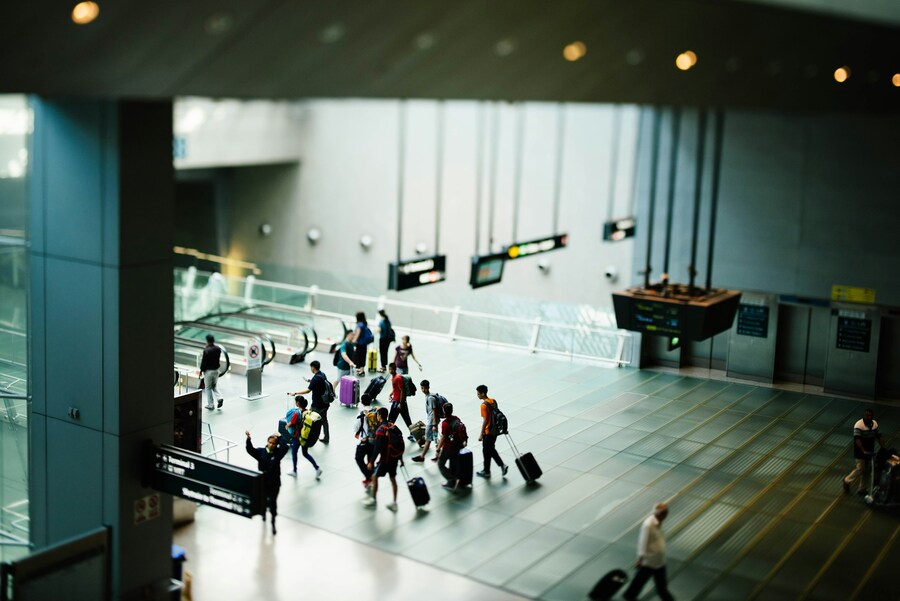
The modern travel experience is often characterized by long periods of physical inactivity. Between the hours spent sitting in a cramped aircraft cabin and the inevitable waiting periods at the gate, the body can quickly become stiff, fatigued, and sluggish. For many travelers, the airport has traditionally been a place where fitness goals go to die, replaced by fast-food corridors and sedentary lounge chairs. However, a significant shift is occurring within the aviation industry as global hubs recognize that passenger wellness is just as vital as operational efficiency. Integrating a workout into your travel itinerary is no longer a fringe activity for the ultra-dedicated; it's becoming a standard part of the journey for those who value arriving at their destination with high energy levels and physical comfort.
So, are you ready to trade the gate for a gym?
 Source: CHUTTERSNAP/Unsplash
Modern airports are evolving into wellness hubs, offering sophisticated fitness programs that combat travel stress and physical stagnation. Beyond improving circulation, terminal workouts trigger endorphins to mitigate jet lag and anxiety. Embracing these facilities transforms long layovers into productive sessions, ensuring you arrive at your destination with peak energy and focus.
The scarcity of traditional fitness facilities
One might wonder why, given the clear demand for health services, dedicated fitness centers aren't as ubiquitous as luxury boutiques or duty-free shops within airport terminals. The primary reason for the historical absence of airport gyms is the immense cost and complexity associated with airport real estate. Space within a secure terminal is among the most expensive and highly regulated square footage in the world. Every square meter must justify its existence through high passenger throughput or significant revenue generation. Moreover, the operational logistics of maintaining a gym – including specialized insurance, high water usage for showers, and the need for constant sanitation – present hurdles that many airport authorities have traditionally found too cumbersome to manage.
Security also plays a factor in why fitness facilities aren't standard in every terminal. Post-9/11 security protocols require that everything from gym equipment to cleaning chemicals undergoes rigorous screening. In addition, the fluctuating nature of passenger traffic makes it difficult for private gym operators to maintain a consistent business model. While a shop can sell snacks to thousands of people an hour, a gym has a limited capacity. Nevertheless, as the focus on passenger experience intensifies, many airports are beginning to view fitness as a "must-have" amenity rather than an optional luxury, leading to creative solutions, such as yoga rooms, outdoor terraces, and partnerships with nearby transit hotels.
Accessing fitness amenities during your trip
Utilizing an airport gym requires a bit of foresight and preparation, but the process is generally straightforward once you know where to look. Most on-site fitness facilities are located either within terminal hotels or integrated into premium airline lounges. In many cases, these gyms offer day passes for travelers who aren't guests of the hotel or members of a specific loyalty program. These passes typically range from 20 to 40 dollars and often include access to showers, towels, and sometimes even rental workout gear. This is particularly useful for travelers who don't want to pack sweaty clothes or heavy sneakers in their carry-on luggage.
Before you head to the gate, it's wise to research the specific terminal map to ensure the gym is located airside – past security – or landside. If the facility is landside, you'll need to allow extra time to clear security again before your flight. To make the process even smoother, some travelers choose to coordinate their ground logistics in advance. For instance, securing an airport reservation for your vehicle can save precious time that would be better spent on the treadmill. When you find inexpensive airport parking that's reliable and close to the terminal, you eliminate the stress of the initial arrival, allowing you to head straight to the fitness center with a clear mind. Knowing the total price for parking beforehand also helps in budgeting for those small wellness luxuries like a gym day pass or a post-workout protein smoothie.

Source: Nancy Hughes/Unsplash
Global hubs leading the fitness revolution
For those who prioritize health, certain airports have become destinations in themselves due to their world-class fitness offerings. Changi Airport (SIN) in Singapore is frequently cited as the gold standard, offering multiple wellness centers equipped with gyms, showers, and even a rooftop swimming pool where you can watch planes take off while swimming laps. In the United States, Chicago O'Hare (ORD) features a spacious yoga room and a well-equipped Hilton health club located directly across from the domestic terminals. Similarly, San Francisco International (SFO) was a pioneer in this space, opening the world's first dedicated airport yoga room to help passengers find their center before a long transpacific flight.
European hubs aren't lagging behind in this trend. Munich Airport (MUC) offers a high-tech fitness center that includes saunas and steam rooms, perfect for relaxing after a heavy lifting session. In the Middle East, Dubai International (DXB) provides G-Force health clubs in multiple terminals, featuring gyms, pools, and even massage rooms that operate 24 hours a day. For travelers looking to streamline their entire journey, platforms like ParkingNearAirports.io provide comprehensive information on ground services that complement these high-end terminal experiences, ensuring that every leg of the trip is managed with professional care and efficiency. These global examples demonstrate that the "active traveler" is now a demographic that airports are eager to accommodate with increasingly creative and accessible facilities.
Strategies for staying active without a gym
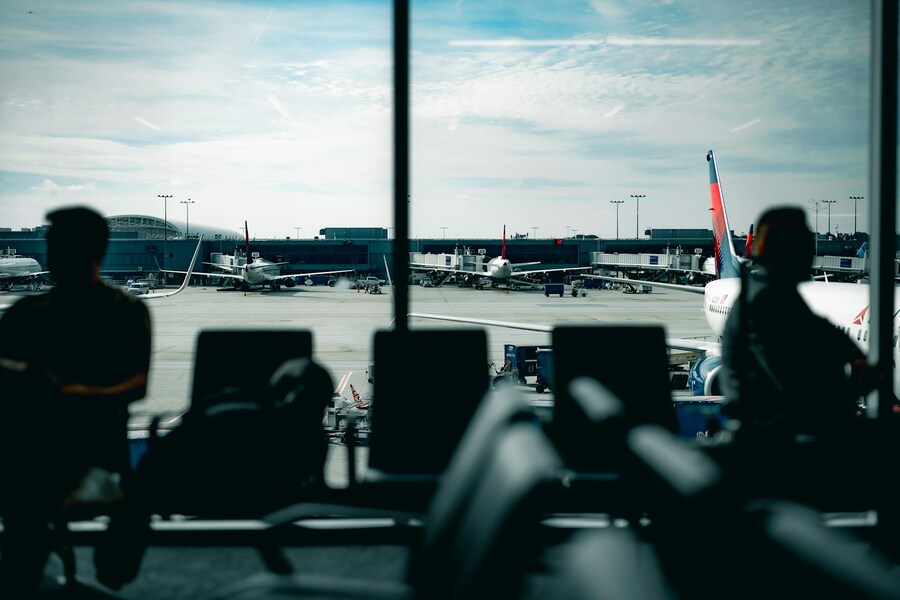
If you find yourself in a terminal without a dedicated fitness center, there are still plenty of ways to avoid a sedentary layover. The most effective method is "terminal hiking." Many modern airports are designed as long linear concourses, perfect for power walking. Carrying a backpack while walking at a brisk pace can burn a significant number of calories and keep your heart rate elevated. In addition, many travelers are now utilizing quiet gate areas for bodyweight exercises, such as lunges, squats, and planks. If you have a resistance band in your bag, you can perform a full-body workout in a corner of the terminal without needing any bulky machines.
Another often overlooked resource is the airport's yoga or meditation room. While these spaces are designed for silence, they provide the perfect environment for deep stretching and mobility work. Focusing on hip openers and spinal twists can counteract the physical compression caused by airplane seats. Even sitting at a gate can be turned into a "passive" workout by focusing on core engagement and calf raises. The goal is to keep the blood flowing and the muscles active, regardless of the available equipment. By adopting a proactive mindset, you can turn any gate area into a temporary wellness zone.
Conclusion
Source: Bennie Bates/Unsplash
Ultimately, the rise of airport fitness reflects a broader cultural shift toward holistic health. We no longer view travel as a hiatus from our well-being, but as an opportunity to maintain our physical standards in new environments. By choosing to move your body and utilizing terminal facilities, you significantly reduce the recovery time needed once you land, effectively combating the physical toll of dehydration and inactivity. Transitioning from a passive passenger to an active participant allows you to reclaim control over your journey, ensuring your mind and body remain in peak condition. Whether through a dedicated gym or a simple stretching routine, investing in your health mid-transit guarantees you arrive at your final destination feeling refreshed and rejuvenated. Wishing you safe travels and high energy on your next adventure!


