

What makes the reimagined JFK the ultimate global entry point?
Source: Josh Withers/Unsplash
JFK is evolving from a fragmented complex into a unified, high-tech global hub. With modernized terminals and improved infrastructure, understanding this new layout is essential for a seamless New York journey.
The storied heritage of John F. Kennedy International Airport
The ground upon which JFK stands was once the Idlewild Beach Golf Course, a fact that gave the airport its original name when it opened for commercial operations in 1948. Initially designed to relieve the growing pressure on LaGuardia Airport (LGA), Idlewild quickly became the center of the aviation world during the transition from propeller planes to the jet age. The site was officially renamed John F. Kennedy International Airport in late 1963, just weeks after the assassination of the 35th President, serving as a lasting tribute to a leader who championed the exploration of new frontiers. Over the decades, the airport has hosted historic milestones, from the arrival of the Beatles in 1964 to the sleek supersonic landings of the Concorde. Today, that history is being honored through the preservation of iconic landmarks like the TWA Flight Center, even as the surrounding infrastructure is replaced by cutting-edge architecture.
Defining the geography of the Queens hub
Located in the southeastern portion of Queens, John F. Kennedy International Airport occupies a strategic position along Jamaica Bay. It sits approximately 16 miles from the skyscrapers of Midtown Manhattan, making it the primary long-haul destination for those visiting the New York metropolitan area. The airport's sprawling footprint is bordered by the Belt Parkway and the JFK Expressway, creating a complex web of access points that connect the hub to Brooklyn, Long Island, and beyond. Its coastal location provides a dramatic backdrop for takeoffs and landings, offering passengers stunning views of the Atlantic Ocean and the distant Manhattan skyline. Despite its distance from the city center, the airport remains the beating heart of New York's international connectivity, anchored firmly in one of the most diverse boroughs in the world.
Modern transit and connectivity solutions
Reaching the airport has become a more streamlined process thanks to the integration of various transportation modes. The AirTrain JFK system remains the backbone of the airport's connectivity, providing a frequent and reliable link between all passenger terminals and major rail hubs. Travelers can catch the AirTrain from the Jamaica Station, which connects to the Long Island Rail Road and the E, J, and Z subway lines, or from the Howard Beach Station for access to the A train. For those preferring the comfort of a private vehicle, ride-share services and traditional yellow cabs operate around the clock, though it's always wise to account for the unpredictable nature of New York traffic. In addition, several express bus routes serve the airport, offering an affordable alternative for those traveling from various points across the city and the surrounding suburbs.
Comprehensive strategies for vehicle placement
Parking at a major international hub can often be one of the most daunting aspects of a trip, but recent upgrades have introduced more variety and digital integration to the process. The airport offers a range of on-site options, from the premium terminal garages that provide the quickest access to check-in counters to the more budget-friendly long-term lots located further away. For those seeking the most economical choices, exploring cheap airport parking is highly recommended, as off-site facilities often provide competitive rates coupled with frequent shuttle services. Many travelers now utilize digital platforms to secure airport parking offers well in advance of their departure dates, ensuring a guaranteed spot during peak travel seasons. Moreover, savvy flyers often look for airport parking coupons to further reduce the costs of extended stays, making the overall travel budget much more manageable.
A dynamic overview of passenger terminals
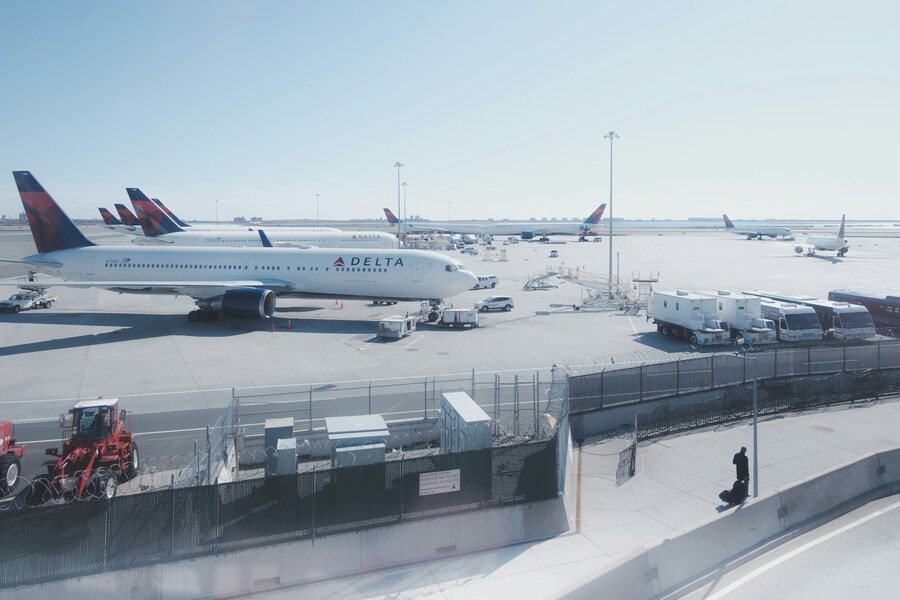
The terminal landscape at JFK is currently in a state of high-speed evolution. The most significant development is the emergence of the New Terminal One, a colossal facility that has set new standards for international travel with its expansive check-in halls and state-of-the-art security screening. Terminal 4 continues to serve as a major powerhouse, acting as a primary hub for Delta Air Lines and numerous international carriers, while Terminal 5 remains the vibrant home of JetBlue, known for its modern amenities and easy-to-navigate layout. Terminal 7 and Terminal 8 also play crucial roles, with the latter serving as a significant base for American Airlines and its Oneworld partners. As several older structures are phased out to make room for the new Terminal 6, passengers should always verify their specific terminal assignment shortly before arrival to ensure they head to the correct location.
Leading carriers connecting the globe
JFK remains the undisputed king of international flight in North America, hosting more than 70 airlines that span every continent. While domestic giants like Delta, American, and JetBlue maintain a massive presence, the airport is also a primary destination for prestigious international flag carriers. From the luxury of Emirates and Singapore Airlines to the extensive networks of Lufthansa, Air France, and British Airways, the diversity of carriers is staggering. This concentration of airlines fosters a competitive environment that benefits passengers through a wide array of flight schedules and service levels. Whether you are looking for a short hop to a neighboring city or a non-stop journey to the other side of the planet, the roster of airlines at JFK provides unparalleled access to the global aviation network.

Source: Josh Withers/Unsplash
Sanctuary spaces and executive lounges
For those looking to escape the vibrant energy of the main concourses, the airport boasts an impressive collection of lounges that cater to every type of traveler. Many of the major international airlines offer flagship lounge experiences that include fine dining, shower facilities, and quiet zones for productivity. Terminal 4 is particularly well-endowed with premium spaces, including the expansive Delta Sky Club and various independent lounges accessible through memberships like Priority Pass. The New Terminal One has also introduced ultra-luxury spaces that feel more like boutique hotels than traditional airport waiting areas. These sanctuaries provide a crucial buffer for long-haul passengers, offering a place to recharge both themselves and their devices before embarking on the next leg of their journey.
Culinary journeys within the concourse
The dining scene at JFK has undergone a dramatic transformation, moving away from standard fast food toward a curated selection of New York favorites and international cuisines. Travelers can now enjoy everything from authentic Brooklyn-style pizza and gourmet bagels to high-end seafood bars and sit-down bistros helmed by renowned chefs. Many terminals have embraced the "street food" concept, bringing local food truck favorites into the secure side of the airport. For those in a hurry, sophisticated grab-and-go markets offer healthy, fresh options that are a significant step up from traditional airplane meals. This focus on culinary diversity ensures that every palate is catered to, making the pre-flight meal an integral and enjoyable part of the overall travel experience.
Retail excellence and luxury shopping
Shopping at JFK has become a world-class pursuit, with retail offerings that rival the famous boutiques of Fifth Avenue. The duty-free sections in the international terminals are particularly expansive, featuring luxury brands in fashion, jewelry, and spirits. Beyond the high-end labels, the airport also features a variety of specialty stores that showcase local New York artisans and souvenirs, allowing travelers to pick up a last-minute piece of the city to take home. Tech enthusiasts will find plenty of options for the latest travel gadgets and noise-canceling headphones, while book lovers can browse well-stocked newsstands and bookstores. The integration of digital shopping tools now allows many passengers to browse inventory online and pick up their purchases at the gate, adding a layer of convenience to the retail experience.
On-site accommodations and transit hotels
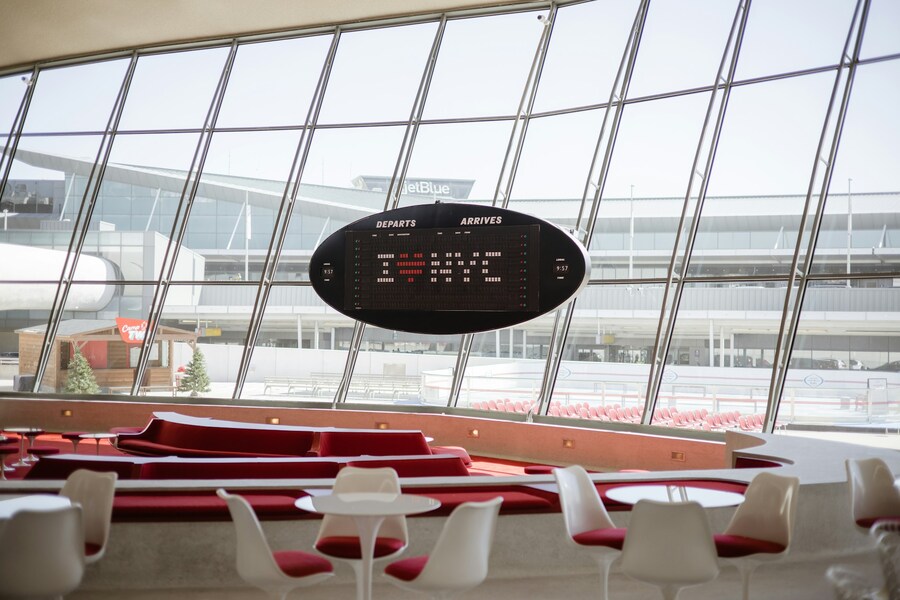
For passengers with early morning departures or long layovers, the airport offers several convenient lodging solutions. The most iconic of these is the TWA Hotel, located directly at Terminal 5, which allows guests to stay inside the historic Eero Saarinen-designed terminal building. With its rooftop infinity pool overlooking the runways and its 1960s-inspired decor, it has become a destination in its own right. Beyond this flagship property, several other high-quality hotels are located just minutes away from the airport perimeter, accessible via complimentary shuttle services. These accommodations range from full-service business hotels to efficient transit lodges, ensuring that every traveler can find a comfortable place to rest without having to venture far from their departure gate.
Essential amenities for the modern traveler
To ensure a comfortable journey for everyone, JFK provides a comprehensive suite of amenities that go beyond the standard requirements. High-speed Wi-Fi is available throughout the complex, allowing for seamless streaming and remote work. Families can take advantage of dedicated nursing suites and interactive play areas designed to keep children entertained during waits. The airport also features pet relief areas for those traveling with four-legged companions, as well as multi-faith prayer rooms and meditation spaces for quiet reflection. For those needing medical assistance, there are several first-aid stations and pharmacies located within the terminals. These thoughtful touches reflect a commitment to inclusivity and passenger well-being, ensuring that the airport remains accessible and welcoming to all.
Achieving a stress-free transit experience
Navigating one of the world's busiest hubs doesn't have to be an overwhelming ordeal if you approach it with a clear plan. Utilizing digital tools to check flight statuses and gate changes in real-time is a fundamental step in maintaining control over your schedule. For those who find the logistics of airport arrival particularly taxing, services like ParkingNearAirports.io can prove invaluable, offering a simplified way to manage the transition from your car to the terminal. By pre-arranging your logistics and arriving with plenty of time to spare, you can transform the frantic rush of travel into a composed and even enjoyable experience. Modern travel is as much about the tools you use as the destination you are heading toward, and taking advantage of professional assistance can make all the difference.
The bottom line
Source: Clément Dellandrea/Unsplash
JFK has successfully reinvented itself, merging historic significance with a futuristic vision for a new era of aviation. While transformation continues, the progress has resulted in a world-class gateway New York can be proud of. By understanding the new terminal structures and utilizing modern amenities, any traveler can navigate this massive hub with confidence. JFK remains a powerful testament to New York's enduring spirit and its vital global connectivity.


