

Stepping off a long-haul international flight brings a distinct wave of relief, quickly followed by the universal anxiety of clearing customs. Whether you are returning home after an extended global expedition or touching down in a brand-new country for an international getaway, the final hurdle stands at the
The Anatomy of an Arrival: Understanding What Border Officials Scrutinize from the Moment You Leave Your Airport Parking Lot
 Source: Jp Valery/Unsplash
Data Inconsistencies and Pre-Arrival Digital Footprints
Long before you step up to the CBP podium, your digital footprint has already landed. Border control agencies around the globe utilize advanced Passenger Name Record (PNR) data and Advance Passenger Information System (APIS) feeds. This means that by the time an officer looks up from their terminal monitor, they already possess a comprehensive dossier detailing your flight itinerary, ticketing history, frequent flyer status, past travel patterns, and the digital customs declaration you submitted either online or via kiosk.
Consequently, a customs officer's primary objective during your brief interview is rarely to uncover brand-new intelligence; instead, it's to verify that your verbal statements align seamlessly with the pre-existing data packet. The routine questions you encounter – such as your destination country, duration of stay, purpose of travel, and where you stayed – are carefully calibrated diagnostic tools. Officers are listening for discrepancies. If you claim to have spent two weeks on a quiet backpacking trip across rural Europe, yet your digital record indicates you flew business class into a major financial hub for a mere 48 hours, a red flag is immediately triggered. Inconsistencies don't automatically denote criminal intent or malicious behavior, but they act as a tripwire that mandates secondary screening, detailed questioning, and a meticulous review of your digital devices or physical documents. Maintaining absolute alignment between your travel reality and your statements is your strongest safeguard.
Behavioral Cues and Psychological Profiling at the Booth
Human behavior remains one of the most immediate indicators evaluated by border security professionals. CBP officers undergo intensive behavioral analysis training designed to spot anomalies in normal human interactions. Nick Sunderhaus, a branch chief at the CBP Field Operations Academy in Brunswick, Georgia, highlighted in public interviews that officer training regimens routinely incorporate simulations with diverse human profiles, ranging from overly gregarious, performative passengers to individuals exhibiting acute nervousness, cognitive distraction, or outright evasion.
It's a common misconception that feeling anxious or sweating under the harsh fluorescent lights of an arrival hall automatically labels you as suspicious. Border officers are fully aware that jet lag, physical exhaustion, long lines, and the intrinsic intimidation of law enforcement can make anyone jittery. The distinction lies in contextual behavior and micro-expressions. Officers watch for defensive posture shifts, forced avoidance of direct eye contact paired with over-compensation in speech, or answers that feel overly rehearsed and defensive. The golden rule for managing this psychological assessment is straightforward: provide clear, concise, and truthful answers without falling into the trap of nervous over-explanation. Offer only what is asked, maintain a calm, respectful demeanor, and let your documentation speak for itself.
Declarations, Agricultural Checkpoints, and Duty-Free Realities

Source: Kelvin Zyteng/Unsplash
Beyond vetting the traveler, customs protocols are heavily invested in regulating physical cargo crossing international borders. What you pack in your carry-on or checked bags carries legal weight, and failure to properly declare items can lead to heavy fines, administrative delays, or permanent marks on your global traveler profile. When filling out declaration cards or electronic kiosks, travelers are legally required to itemize any agricultural goods, plant materials, fresh food, animal products, or commercial merchandise acquired abroad that wasn't in their possession upon departure.
Global customs jurisdictions operate under specific duty-free thresholds, which frequently shift depending on your destination and length of stay (commonly tiered at limits like $200, $800, or $1,600). Exceeding these allowances without proper declaration is a primary driver of secondary inspections. More importantly, biosecurity protocols are fiercely protected; bringing an uninspected piece of fruit, a regional sausage, or a wooden handicraft from a foreign ecosystem can pose massive agricultural threats. Experienced globetrotters adhere to an infallible mantra: when in doubt, declare it. If an item is permissible, declaring it costs you nothing. If it's restricted, declaring it prevents severe penalties, turning a potential compliance violation into a minor, polite confiscation.
Luggage Integrity Versus Itinerary Logic
Your physical baggage tells a silent story that customs officials frequently cross-reference with your declared itinerary. The volume, type, and condition of your luggage should logically reflect the stated purpose and duration of your trip. For instance, if an arriving passenger claims to have completed a quick, two-day business seminar, yet they present themselves at the carousel with four massive, over-packed suitcases, an immediate operational flag is raised. Conversely, a traveler arriving for a three-month sabbatical with nothing more than a slim laptop sleeve and a gym bag may also prompt closer inspection.
Customs officers possess broad legal authority to inspect luggage based on reasonable suspicion or random compliance mandates. Mismatched baggage profiles invite deeper investigation into whether the traveler is transporting commercial goods disguised as personal effects, carrying undeclared high-value items like luxury watches or jewelry, or acting as an unknowing courier for third parties. Packing with intent, keeping your luggage streamlined to match your actual itinerary, and ensuring your bags contain no surprises are vital components of a frictionless arrival.
Complete Preparedness: Paperwork, Receipts, and Streamlining Re-entry
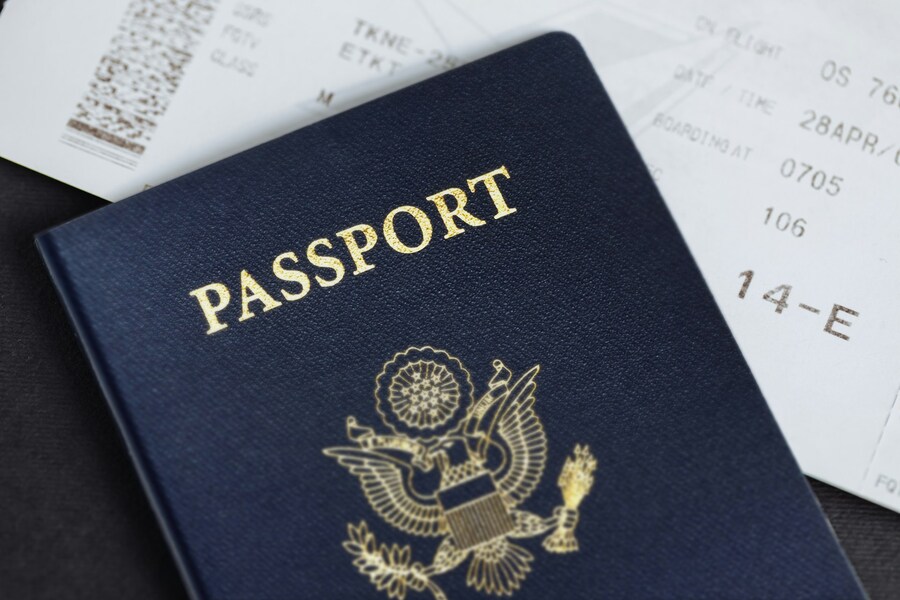
Operational efficiency is a two-way street at the customs checkpoint. While officers are trained to evaluate passengers, passengers can drastically minimize their scrutiny by exhibiting total preparedness. Having your valid passport opened to the photo page, your boarding pass accessible, and your digital declaration confirmation ready before you reach the agent eliminates hesitation and projects confidence.
Moreover, maintaining clear, physical or digital receipts for any major international purchases is a non-negotiable best practice. If an officer questions the value of souvenirs, electronics, or designer apparel, producing an itemized receipt instantly validates your declaration and expedites your clearance. This ethos of meticulous preparation extends to every phase of your journey. Just as organizing your receipts and travel documents saves you precious minutes at the border, proactive logistical planning – such as utilizing our reservation system at ParkingNearAirports.io to lock down fantastic parking discounts and exclusive airport parking offers – ensures that your transition from home to the departure terminal is entirely seamless. Eliminating travel friction at the very beginning of your trip sets a calm, organized tone that resonates all the way through your international return.
The Bottom Line
 Source: Global Residence Index/Unsplash
Navigating international customs doesn't have to be an intimidating ordeal fraught with anxiety. By understanding the underlying mechanics of border control – recognizing how digital pre-screening, behavioral awareness, strict declaration guidelines, luggage logic, and absolute preparedness shape an officer's perspective – you can approach the arrivals hall with total peace of mind. Travel is ultimately about exploration, discovery, and creating lasting memories, and minimizing logistical stress is the key to unlocking an effortless journey from departure to homecoming. To ensure your next adventure starts off on the right foot without the headache of last-minute terminal logistics, take advantage of our reservation system, where you can effortlessly secure the best airport parking offers and reliable parking discounts for a completely stress-free parking experience.
Ultimately, a truly seamless travel experience relies on controlling the variables you can. While you cannot predict every flight delay or customs queue length, you can completely eliminate the anxiety of departure-day logistics. Securing a reliable spot in an advance airport parking lot prevents the frantic rush that sets a negative tone for your entire vacation. By combining meticulous preparation – like organizing your travel declarations, knowing what items to pack, and keeping your paperwork ready – with smart pre-trip decisions, you transform international travel from a stressful chore into an effortless adventure. Every step you take to simplify your journey, from reserving your space ahead of time to understanding border protocols, ensures that your focus remains entirely where it belongs: on the destination waiting for you.


