

For all the anticipation surrounding a long-awaited vacation or a critical business trip, sitting in a cramped economy seat for hours on end is rarely something travelers look forward to. Constrained quarters, rigid seatbacks, and limited legroom severely restrict natural body movement, leaving passengers feeling uncomfortably achy, stiff, and physically exhausted long before reaching their destination. To mitigate these physical tolls, some travelers try getting up mid-flight to pace the aisles, while others splurge on business-class cabins simply to lie flat. However, these choices aren't always practical, permitted, or affordable for everyday travelers.
Fortunately, seasoned airline crew members, physical therapists, and frequent flyers rely on a remarkably simple, low-cost secret to maintain circulation and eliminate muscle tension mid-air. The journey to a truly relaxing travel experience begins long before takeoff – starting with smart ground arrangements like reserving off-site airport parking – and extends directly into your carry-on luggage. The single most effective tool for preventing inflight aches is an unassuming item: a standard lime-green tennis ball. Leveraging this simple item alongside departure planning through our reservation system at ParkingNearAirports.io transforms long-haul flights into comfortable journeys.
Ready to Fly Pain-Free? How to Protect Your Spine and Circulation at 30,000 Feet
 Source: CHUTTERSNAP/Unsplash
The Biomechanics of In-Flight Stagnation: Why Air Travel Taxes the Body
The human body was engineered for continuous movement, dynamic posture changes, and regular weight distribution. When forced to remain stationary in an upright, narrow airplane seat for extended periods, several adverse physiological changes occur simultaneously throughout your muscular and cardiovascular systems.
First, static seating heavily impairs blood circulation in the lower body. Sitting with knees bent at a sharp 90-degree angle restricts blood returning from lower extremities back toward the heart. Without rhythmic contractions of calf muscles – often called the body's secondary heart – venous blood and interstitial fluids pool in lower legs, ankles, and feet. This fluid accumulation causes swelling, localized inflammation, and a heavy throbbing sensation. More critically, prolonged circulatory stagnation increases the risk of developing deep vein thrombosis (DVT), where blood clots form in deep leg veins.
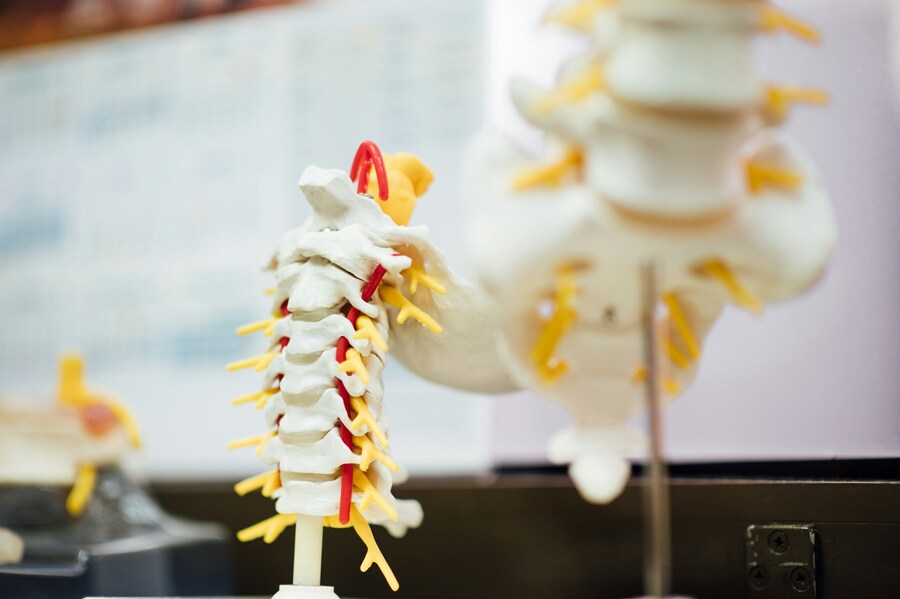
Second, standard economy seating forces the spine into an unnatural posture. Most airplane seats feature forward-curved headrests and minimal lumbar support, forcing the lower spine into a flattened position. This unnatural pelvic tilt places intense pressure on intervertebral discs, while simultaneously tightening hamstrings, hip flexors, and glutes.
Finally, upper body alignment suffers immensely during air travel. Whether typing on a laptop, reading a book, or watching inflight entertainment, resting in a forward-leaning posture forces neck and shoulder muscles to support the head without proper stabilization. Over several hours, this places severe structural strain on the trapezius, levator scapulae, and cervical spine, leading to stubborn muscle knots, tension headaches, and lingering back stiffness that can persist for days after landing.
The Tennis Ball Secret: Targeted Myofascial Release at 30,000 Feet
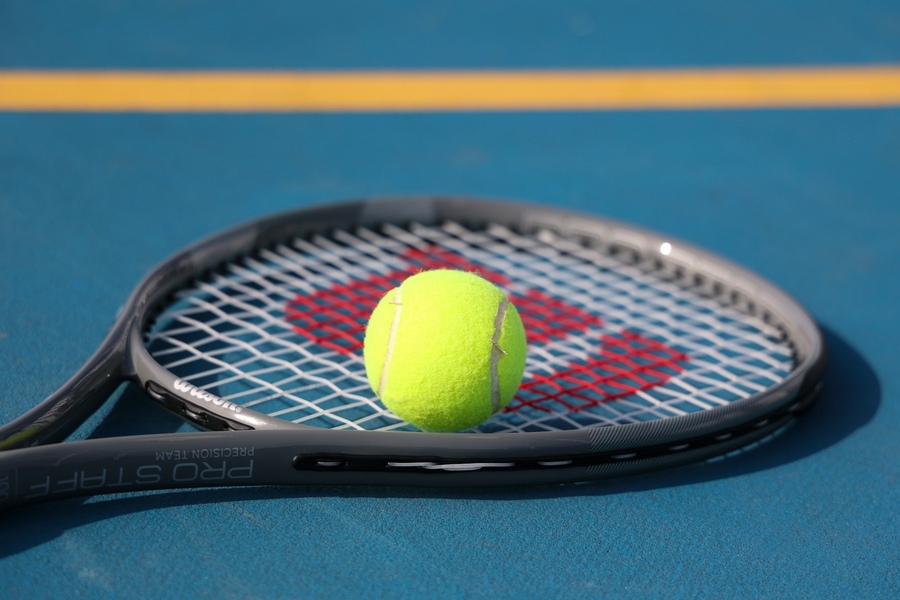
While specialized foam rollers, massage guns, and electric therapy devices are bulky, heavy, or prohibited by aviation security guidelines, a tennis ball is fully TSA-compliant, weightless, and takes up minimal space in your personal item. Think of a tennis ball as a compact, portable massage therapist capable of delivering targeted acupressure and self-myofascial release directly to hyper-irritable muscle knots during your flight.
Myofascial release works by applying concentrated, sustained pressure to restricted muscular tissue and surrounding fascia. When firm pressure is applied to a tight muscle knot, localized blood flow is temporarily restricted. Once that pressure is released, fresh, oxygenated blood surges back into tissue, flushing out metabolic waste products, such as lactic acid, and signaling the nervous system to relax surrounding muscle fibers.
To maximize therapeutic benefits without disturbing neighboring passengers or intruding into shared cabin space, travelers can utilize several discreet self-massage techniques:
- Spinal and Shoulder Blade Relief. Place the tennis ball between your back and the upholstery of your aircraft seat. Slowly lean back to apply comfortable, controlled pressure against the ball, then gently shift your upper body side-to-side or up-and-down. Focus specifically on thick muscle bands running parallel to your spine (erector spinae) and the space between your shoulder blades. Take deep, deliberate breaths as you roll over tight spots, allowing body weight to sink into the ball while avoiding pressing directly onto bony spine structures.
- Plantar Fascia and Foot Arch Release. Remove your shoes while seated and place the tennis ball on the cabin floor directly beneath your foot arch. Apply moderate downward pressure and slowly roll the ball back and forth from heel to ball of foot. Loosening dense connective tissue along the sole releases tension throughout calf muscles, hamstrings, and lower back.
- Gluteal and Sciatic Decompression. Sitting on firm seat foam compresses gluteal muscles and can irritate the sciatic nerve, causing numbness or radiating discomfort down the leg. Position the tennis ball under one side of your buttocks, lean slightly toward that hip, and execute tiny, controlled circular motions to break up deep tissue tightness before switching sides.
- The Double-Ball Sock Method. Bring two tennis balls and a clean athletic sock on board. Place both balls inside the sock and tie a tight knot at the open end so balls sit firmly side-by-side. Position this dual-roller behind your back while seated. The groove cradles your spine, allowing you to massage muscles on both sides simultaneously without balls slipping out of place.
Comprehensive In-Seat Mobility Protocol: A Complete Active Exercise Routine
 Source: Lan Gao/Unsplash
While myofascial release with a tennis ball provides immediate physical relief, integrating active stretching exercises throughout your flight is essential for stimulating lymphatic drainage and encouraging systemic blood flow. Performing a brief set of mobility exercises every 60 to 90 minutes keeps joints lubricated and prevents severe stiffness from setting in.
For the lower body, focus on movement patterns that engage calf muscles and mobilize hip joints:
- Ankle Circles. Lift one foot slightly off the floor. Slowly rotate your ankle in a wide, circular motion, completing 10 clockwise rotations followed by 10 counterclockwise rotations. Switch to the opposite foot and repeat. This simple exercise immediately activates the muscular pump in lower legs, pushing stagnant blood back toward your heart.
- Seated Knee Lifts. Sit upright with your back supported. Contract your quadriceps and lift your right knee straight up toward the ceiling, holding it elevated for two seconds before lowering it back down. Alternate legs for 15 controlled repetitions on each side to engage hip flexors and stimulate lower abdominal circulation.
- Calf Raises and Heel Taps. Plant both feet flat on the floor. Keeping toes grounded, raise heels as high as possible to contract calf muscles firmly. Hold for a brief second, lower heels back down, and then lift toes up off the ground while keeping heels planted. Repeat this rocking motion 20 times.
- Figure-Four Glute Stretch. Cross your right ankle over your left knee while remaining seated. Keep your spine long and gently lean forward from hips until you feel a deep, comfortable stretch through your outer hip and glute. Hold for 20 to 30 seconds while breathing deeply, then switch legs. Always avoid crossing legs at knees while sitting passively, as this compresses key blood vessels behind the knee and restricts circulation.
For the upper body and spine, incorporate movements that counteract forward-slumped posture:
- Gentle Neck Rolls. Lower shoulders away from ears. Drop your chin toward your chest, then slowly roll your right ear toward your right shoulder. Hold for 5 seconds, roll back through the center, and tilt toward your left shoulder. Repeat 5 times per side.
- Scapular Rotations. Roll shoulders in large, smooth circles forward 10 times, then reverse direction and roll backward 10 times to open up the chest and release upper back strain.
- Cross-Body Arm Stretch. Bring your right arm horizontally across your chest. Use your left hand to gently press your upper arm closer to your torso until you feel a comfortable stretch across the back of your shoulder. Hold for 15 seconds and alternate sides.
- Seated Lumbar Twists. Keep both feet flat on the floor. Place your right hand on your left armrest or outer knee. Inhale deeply to lengthen your spine, and gently twist your upper body left as you exhale. Hold for 10 seconds, return to center, and twist right.
Pre-Flight Preparation: Eliminating Terminal Stress with Airport Parking Services
Physical stiffness during a flight is rarely caused by seat ergonomics alone; it's frequently compounded by pre-flight stress and physical fatigue. Frantically navigating dense highway traffic, searching for open spaces in crowded airport garages, and hauling heavy luggage across massive parking lots elevates cortisol levels and causes muscle groups to tense up long before you even board the aircraft.
Streamlining departure logistics is the single most effective way to start your journey in a calm, relaxed physical state. Utilizing professional airport parking services eliminates pre-flight chaos and provides a seamless transition from your vehicle to the terminal entrance:
- Guaranteed Reserved Parking. Reserving your spot in advance through our reservation system at ParkingNearAirports.io removes all uncertainty from departure day. You arrive at a secure facility knowing a space is waiting, eliminating the anxiety of driving in circles while watching your boarding time approach.
- Luggage Assistance and Shuttle Transportation. Top-tier off-site parking facilities provide prompt shuttle buses dropping you off directly at the departure terminal curbside. Professional drivers assist with loading and unloading heavy bags, protecting your back, shoulders, and wrists from unnecessary physical strain prior to sitting in a narrow cabin seat.
- Time for Pre-Flight Warm-Ups. Arriving at the airport calm and ahead of schedule allows ample time to walk through the terminal, perform standing stretches at the gate, hydrate properly, and board your flight with relaxed muscles.
Smart Travel Economics: Maximizing Comfort and Value with Airport Parking Coupons
Managing travel expenses intelligently reduces psychological burden, leaving you with more resources to invest in personal comfort throughout your trip. Ground transportation and long-term parking fees at major hubs can quickly accumulate, but savvy travelers take advantage of available discounts to keep travel budgets under control.
By applying valid airport parking coupons during the booking process, travelers unlock substantial savings on premium parking amenities. Funds saved on ground logistics can be strategically reinvested into personal travel enhancements that further protect physical well-being:
- Ergonomic Travel Gear: Purchasing a high-quality memory foam neck pillow, inflatable lumbar cushion, or medical-grade compression socks designed to reduce lower-leg swelling during long flights.
- Noise-Canceling Technology: Investing in active noise-canceling headphones to block ambient engine noise, significantly reducing nervous system fatigue and improving sleep quality mid-air.
- Upgraded Cabin Seating: Upgrading to extra-legroom seats or exit rows for increased spatial freedom.
Your Action Plan for Seamless, Stress-Free Travel
 Source: frame harirak/Unsplash
Achieving a comfortable, pain-free travel experience requires a balanced approach combining physical preparation, smart in-flight techniques, and effortless travel logistics. Packing a simple tennis ball in your carry-on, performing periodic in-seat stretches, staying hydrated, and optimizing your airport departure allows you to conquer long-haul travel discomfort once and for all.
Don't allow cramped seats, stiff muscles, or parking hassles to ruin your next journey. Take full control of your travel experience by securing reliable, affordable off-site parking through our reservation system at ParkingNearAirports.io today. Capitalize on exclusive deals, enjoy convenient shuttle service directly to your terminal, and begin every trip with absolute peace of mind!


