

For decades, stepping onto a commercial airliner offered a rare sanctuary from constant digital connectivity. Once the cabin doors closed, travelers enjoyed a forced break from the noise of the ground. Today, however, rapid satellite advancements are erasing that boundary, and recent policy shifts by international carriers allowing Wi-Fi voice and video calls have reignited a fierce global debate over the future of cabin tranquility.
Navigating this changing travel landscape requires careful planning long before board time. Securing affordable airport parking ensures your journey starts smoothly and stress-free. At ParkingNearAirports.io, our reservation system makes finding budget-friendly parking effortless, so you can focus on enjoying a comfortable flight – no matter how noisy the skies become.
Is In-Flight Calling the Future of Air Travel – or Every Passenger's Worst Nightmare?
 Source: Iain Banks/Unsplash
The commercial aviation sector is undergoing a massive digital overhaul driven by space-based internet infrastructure. For years, in-flight Wi-Fi was notoriously sluggish, expensive, and barely capable of loading basic text messages, let alone handling bandwidth-heavy applications. That technological barrier acted as a natural filter, keeping noisy voice calls and high-definition video chats off commercial aircraft.
Today, low-Earth orbit satellite constellations – most notably SpaceX's Starlink network – have completely changed the math. Delivering lightning-fast broadband speeds and sub-100 millisecond latency directly to airborne jetliners, these new systems bring home-quality connectivity to 35,000 feet. While seamless streaming and real-time gaming are welcome additions for many passengers, the ability to make crystal-clear voice and video calls in a tightly packed cabin is sparking intense friction among travelers.
The British Airways Precedent: High-Speed Internet Meets High-Altitude Calls
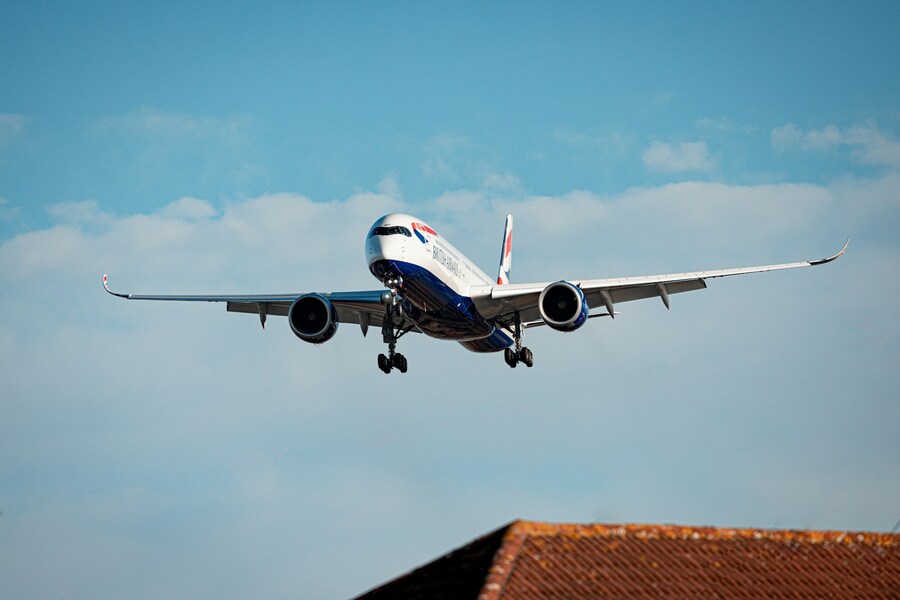
The theoretical debate over in-flight calling became reality in March 2026, when British Airways officially launched its first Starlink-equipped Boeing 787-8 aircraft. The flagship U.K. carrier embarked on an ambitious program to outfit its entire long-haul and short-haul fleet with free, high-speed Starlink Wi-Fi over the coming years.
Alongside this technological upgrade came a subtle yet monumental shift in carrier policy. British Airways updated its official passenger guidelines, expanding Wi-Fi usage beyond traditional web browsing and social media scrolling. Under the new terms, passengers are permitted to make live video calls and voice calls using Wi-Fi-based communication platforms like FaceTime, WhatsApp, and Zoom while in flight.
To head off potential passenger conflict, the airline introduced a courtesy request within its terms of service, asking that passengers remain mindful of their volume by using headphones and keeping their voice low to avoid disturbing others. Despite this appeal to cabin etiquette, the decision sent shockwaves through the aviation community. Frequent flyers expressed immediate concern that asking passengers to voluntarily monitor their own speaking volume in a confined aluminum tube is a recipe for inflight disputes.
Looking at current airline policies across the globe reveals a stark contrast: while British Airways utilizes SpaceX Starlink and permits Wi-Fi voice and video calls, major U.S. carriers taking on similar technology are drawing a hard line. United Airlines and Alaska Airlines, both actively rolling out SpaceX Starlink, strictly prohibit onboard voice calling. Similarly, American Airlines, powered by Viasat and Intelsat, continues to keep voice and video calls off-limits.
Cellular Bans vs. Wi-Fi Loopholes: Understanding the Regulatory Framework
To understand why this issue is so complex, travelers must distinguish between traditional cellular connections and modern Wi-Fi networks.
In the United States, the Federal Communications Commission (FCC) strictly prohibits the use of cellular frequencies (such as 4G LTE and 5G networks) while aircraft are airborne. This rule was originally instituted to prevent airborne mobile phones from interfering with ground-based cell towers, as a high-altitude device jumping between towers at 500 miles per hour can disrupt terrestrial mobile networks.
However, the FCC rule doesn't explicitly outlaw voice communications transmitted over an aircraft's onboard Wi-Fi network. Because satellite Wi-Fi routes data through dedicated satellite antennas rather than ground cell towers, the choice to permit or ban Wi-Fi calling rests entirely with individual airline management.
While major U.S. carriers like United Airlines and Alaska Airlines are actively installing satellite Wi-Fi systems across their fleets, they have maintained strict bans on voice and video calls. Airline representatives consistently report that customer feedback heavily favors maintaining a quiet cabin environment, leading U.S. executives to keep voice communications off-limits for now.
Passenger Etiquette Cracking Down: Headphones and Cabin Harmony
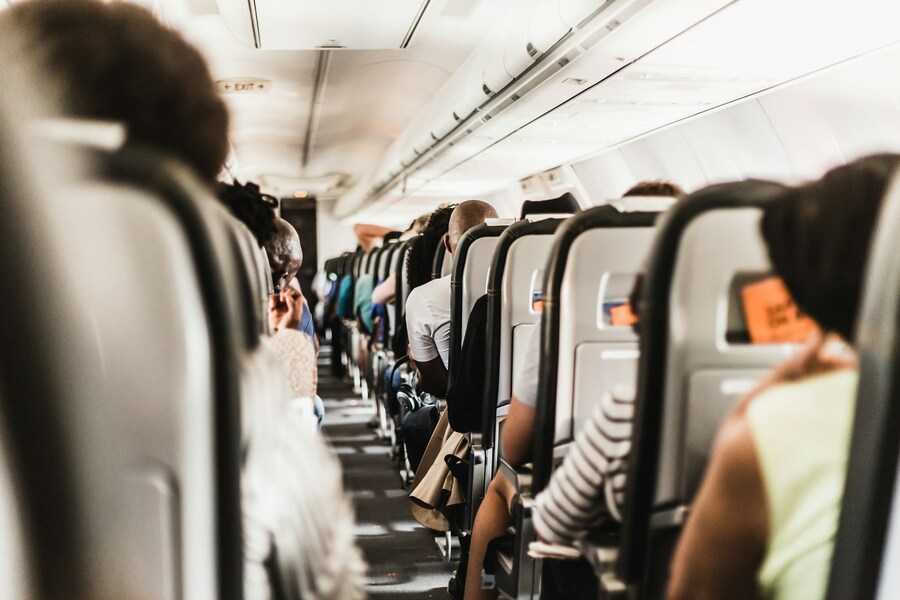
The debate over voice calls comes at a time when passenger frustration over cabin noise is already at an all-time high. Flight attendants across the globe report an increase in conflicts caused by passengers playing videos, mobile games, or music out loud without headphones.
In response, major airlines are beginning to enforce cabin rules far more aggressively. For instance, major legacy carriers have updated their passenger contracts of carriage to explicitly mandate the use of headphones for any audio output. Passengers who refuse to comply with crew instructions regarding noise levels risk being added to internal ban lists, denied boarding on future flights, or met by law enforcement upon landing.
Key rules of modern cabin etiquette include:
- Always Wear Headphones. Audio from personal electronic devices must be routed through wired or wireless headphones at all times.
- Keep Ambient Noise Low. Set device ringtones, alert notifications, and game sound effects to silent mode before boarding.
- Respect Crew Instructions. Flight attendants bear the legal responsibility for cabin safety and order; their directives regarding device usage are final.
Strategic Travel Preparation: Maximizing Comfort and Value
 Source: Daniel Gaffey/Unsplash
As airlines test new connectivity policies and cabin dynamic shifts, smart planning remains the best strategy for a smooth, stress-free travel experience. Managing your itinerary efficiently from the moment you leave your driveway allows you to handle whatever happens at 35,000 feet with complete ease.
How to Guarantee a Quiet In-Flight Experience
If the thought of sitting next to a chatty business traveler taking sales calls makes you uneasy, you can take active steps to safeguard your personal space in the cabin:
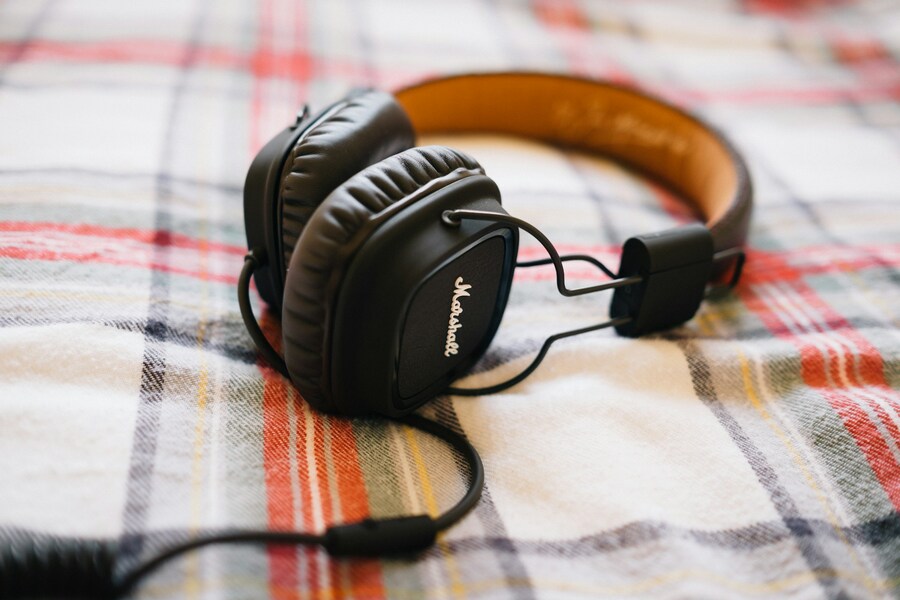
- Invest in Active Noise-Canceling (ANC) Technology. High-quality over-ear or in-ear headphones with active noise cancellation are no longer a luxury – they are an essential travel tool. ANC technology effectively neutralizes low-frequency jet engine hum and significantly dampens ambient voice chatter.
- Select Seats Strategically. Window seats towards the front of the aircraft tend to experience less foot traffic and lower noise levels than aisle seats near galleys or lavatories.
- Carry Backup Wired Audio Connections. Wireless Bluetooth headphones can run out of battery during long flights. Carrying a simple 3.5mm or USB-C wired adapter ensures uninterrupted noise protection.
- Download White Noise or Ambient Soundscapes. Pre-loading white noise, rain sounds, or brown noise onto your mobile device provides an effective acoustic shield against disruptive cabin conversations.
To ensure your noise control measures are seamless, build a reliable pre-flight gear packing strategy. Your audio arsenal should include premium noise-canceling headphones as your primary defense, complemented by an airplane audio jack adapter for seatback entertainment systems. Moreover, keeping a high-capacity portable power bank in your personal item prevents battery depletion, while pairing contoured sleep masks with high-grade earplugs offers a physical layer of defense against unwanted cabin stimulation.
Eliminating Departure Stress with Smart Parking Solutions
A peaceful flight begins long before you pass through airport security. Navigating congested terminal garages, dealing with sold-out parking structures, and paying inflated drive-up daily fees can create unnecessary anxiety before your trip even starts.
When you plan ahead to purchase to fly, reserving off-site parking guarantees a reserved space, complimentary terminal shuttle service, and substantial cost savings. Comparing baseline rates for airport parking reveals that official terminal garages often charge premium prices for basic spaces.
For instance, while standard on-site terminal garages frequently charge anywhere from $35.00 to $65.00 per day, and even on-site economy lots cost between $20.00 and $30.00 daily, off-site partner lots booked through our reservation system typically range from just $5.99 to $14.99 per day. By choosing secure off-site parking lots near major airports, savvy travelers can unlock savings of up to 70% compared to standard airport rates.
By using our reservation system, you gain access to vetted, secure parking facilities equipped with 24/7 surveillance, gated entries, and reliable shuttle fleets that drop you off directly at your departure terminal. This streamlined approach eliminates parking-day chaos, saving you time and protecting your travel budget.
Modernizing Your Travel Workflow
 Source: Andri Aeschlimann/Unsplash
To help you streamline your next journey from drive-up to touchdown, review this step-by-step travel preparation workflow:
- Lock In Parking Early. Log onto our reservation system weeks before your trip to review competitive rates for airport parking and claim your guaranteed spot.
- Review Airline Wi-Fi Policies. Check your operating carrier's current policy regarding onboard Wi-Fi usage, streaming capabilities, and voice call permissions.
- Charge and Load Devices. Fully charge all electronic devices and download offline entertainment, work files, and noise-masking audio tracks prior to departure.
- Pack Audio Accessories in Your Personal Item. Keep noise-canceling headphones, charging cords, and wired adapters in an easily accessible pocket under your seat rather than in the overhead bin.
- Arrive at the Parking Facility with Time to Spare. Give yourself at least 30 minutes of extra buffer time at the off-site parking lot to ensure a relaxed shuttle ride to the terminal.
Conclusion
 Source: Gerrie van der Walt/Unsplash
As aviation technology continues to evolve, the balance between constant digital connectivity and cabin tranquility will remain a defining topic for travelers worldwide. Whether in-flight voice calls become the industry standard or remain restricted to select international carriers, taking proactive control of your travel environment ensures a pleasant, stress-free journey.
Smooth travel begins on the ground. Instead of paying inflated terminal garage fees or hunting for open spaces minutes before your gate closes, let our reservation system simplify your journey. Visit ParkingNearAirports.io today to secure affordable airport parking, compare transparent rates for airport parking, and lock in your spot before you purchase to fly. Book your guaranteed parking space now and enjoy ultimate peace of mind from takeoff to landing!


