

The arrival of winter often signals a time to retreat indoors, yet for the savvy traveler, it represents the most opportune moment to witness the American wilderness in its most dramatic and serene state. While the summer months bring heavy crowds and sweltering temperatures to the most iconic landscapes in the United States, the winter season offers a profound sense of solitude and a completely different visual palette. From the stark contrast of white snow against crimson rocks to the lush, temperate escapes of the southern deserts and swamps, the national parks take on a character that's both mysterious and inviting.
Choosing to explore these protected lands during the colder months requires a bit more preparation, but the rewards are immeasurable. There's a specific kind of silence that only exists in a snow-covered forest or a vast, cool desert basin at dawn. This travel guide focuses on 5 incredible destinations that prove the NPS's "crown jewels" aren't just seasonal attractions, but year-round wonders that offer unique experiences for hikers, photographers, and nature lovers alike. Whether you're looking to embrace the deep freeze of the north or escape to the mild sun of the south, these parks provide the perfect backdrop for a winter adventure that you'll remember for a lifetime. So, pack your bags, and let's explore these frost-kissed wonders together!
Why should you trade your indoor comfort for America's wildest winter landscapes?
The diversity of the American landscape ensures that winter means something different depending on your coordinates. In some regions, it's a time of extreme transformation where fire meets ice, while in others, it's the only time of year when the climate becomes hospitable enough for deep exploration. As you plan your journey, remember that winter travel involves more than just packing the right layers; it involves a shift in perspective, allowing you to see the geological and biological wonders of the country without the filter of peak-season tourism.
1. Bryce Canyon National Park, Utah
 Source: Rich Martello/Unsplash
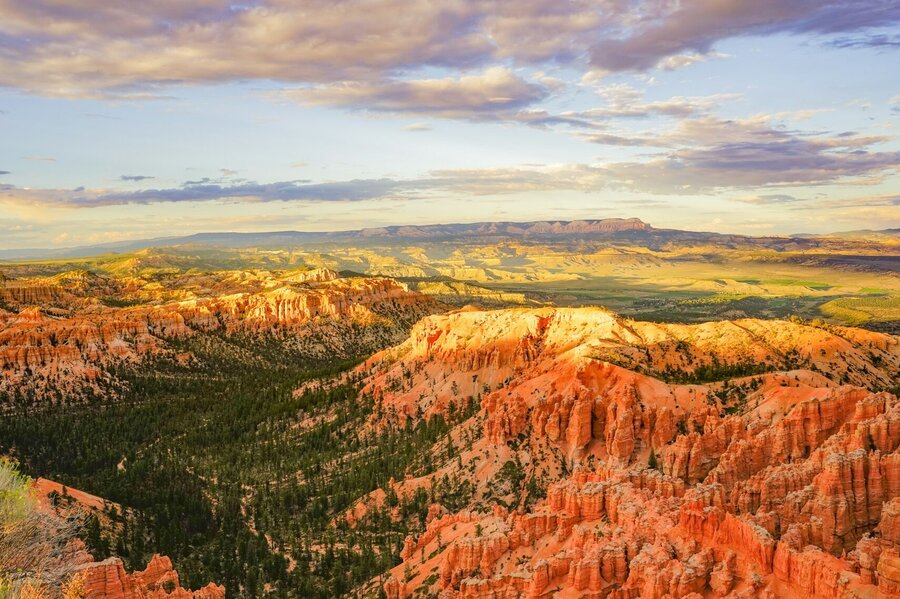
Bryce Canyon is a masterpiece of geological erosion, famous for its "hoodoos" – tall, thin spires of rock that rise from the floor of a natural amphitheater. While beautiful in the summer, the park becomes a surreal dreamscape when the first heavy snowfalls arrive. The contrast between the brilliant white snow, the deep orange and red of the limestone, and the sharp blue of the high-altitude sky creates a visual spectacle that's arguably unmatched anywhere else in the world. At an elevation of over 8,000 feet, Bryce Canyon experiences a true mountain winter, making it a playground for those who enjoy snowshoeing and cross-country skiing along the rim.
Hiking the Navajo Loop or the Queen's Garden Trail in winter requires traction devices for your boots, but the effort is rewarded with a perspective of the hoodoos that feels intimate and untouched. The "Silent City," a dense collection of stone spires, looks like a kingdom of frozen giants under a blanket of frost. Moreover, Bryce Canyon is a certified International Dark Sky Park. During the winter, the cold, crisp air is exceptionally clear, offering some of the best stargazing opportunities in the lower 48 states. The park often hosts winter astronomy programs where rangers point out constellations that shine with incredible brilliance against the dark velvet sky.
2. Death Valley National Park, California
Source: Yifu Wu/Unsplash
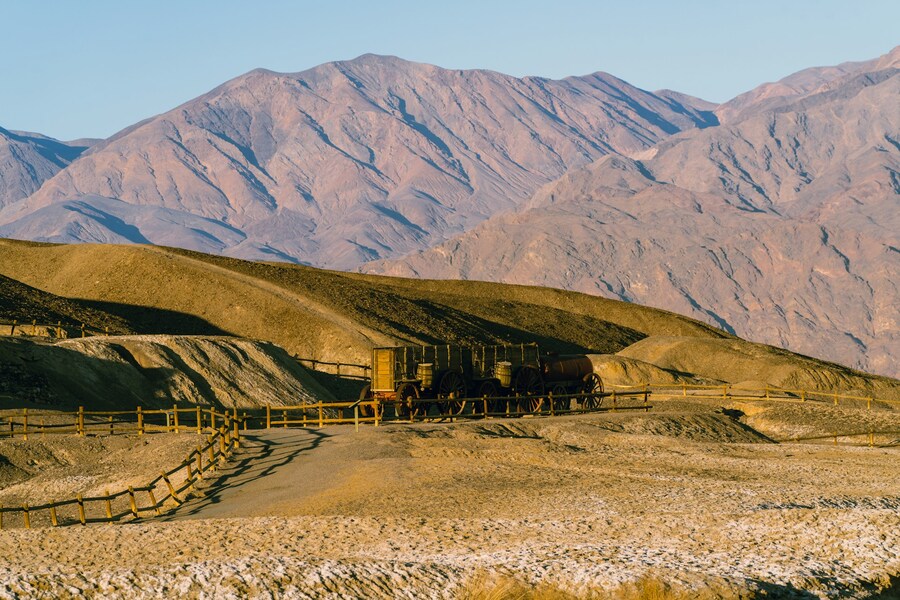
For many, Death Valley is a place to be avoided due to its reputation for record-breaking heat. However, from December through February, the park undergoes a radical transformation into one of the most pleasant hiking destinations in the country. With daytime temperatures hovering in the mid-60s and 70s, you can finally explore the salt flats and rugged canyons without the life-threatening heat of the summer months. The winter light is softer, casting long shadows that accentuate the ripples of the Mesquite Flat Sand Dunes and the colorful mineral deposits of Artist's Palette.
A winter visit allows for extensive trekking through places like Golden Canyon and Mosaic Canyon, where the intricate rock patterns are a testament to millions of years of geological activity. Badwater Basin, the lowest point in North America, is particularly striking in winter; if there has been recent rain, a thin layer of water may cover the salt flats, creating a perfect mirror of the surrounding Panamint Range. Photographers flock to Zabriskie Point at sunrise, where the golden light hits the corrugated badlands in a way that seems almost theatrical. It's a time for long drives through the vastness of the Mojave, where the silence is so heavy it feels physical, and the scenery is limited only by the horizon.
3. Everglades National Park, Florida
Source: allison christine/Unsplash
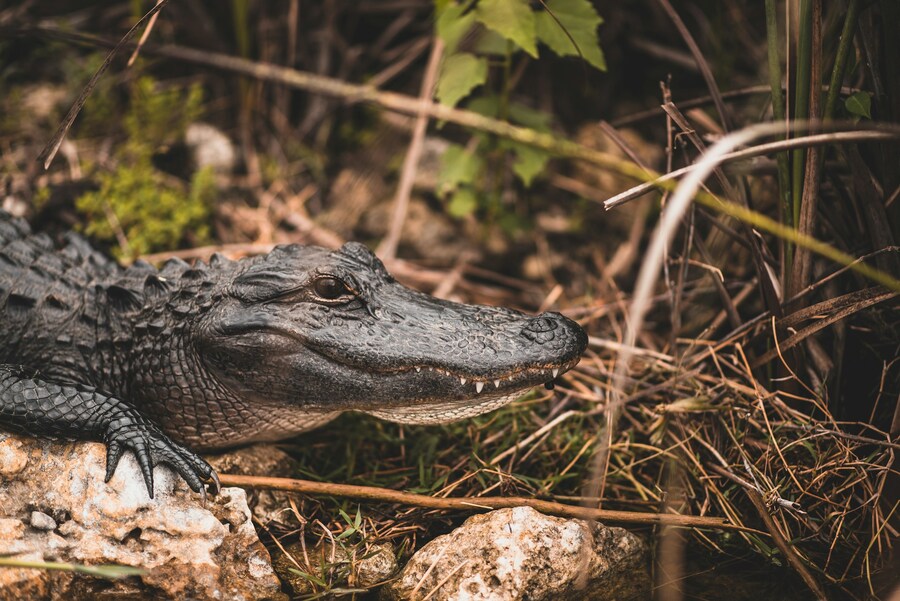
While the northern parks are hunkering down for the cold, the Everglades are entering their most vibrant season. The winter months in Florida mark the "dry season," which is widely considered the best time to visit this unique subtropical wilderness. As the water levels drop, wildlife congregates around the remaining deep-water holes, making it incredibly easy to spot alligators, manatees, and an astounding variety of migratory birds. The humidity, which can be oppressive during the summer, vanishes, and the mosquitoes that plague the park for most of the year are significantly reduced.
Kayaking or canoeing through the mangroves of Nine Mile Pond or the wilderness waterway is a tranquil way to experience the "River of Grass." You might find yourself gliding past roseate spoonbills or great blue herons as they hunt in the shallows. For those who prefer land-based exploration, the Anhinga Trail offers a boardwalk experience that practically guarantees sightings of alligators basking in the winter sun. It's a period of high biological activity, and the ranger-led programs – ranging from slough slogs to starlight talks – are in full swing. The Everglades in winter is a reminder that life in the wetlands doesn't stop; it simply gathers its strength in the cooler, clearer weather.
4. Big Bend National Park, Texas
Source: Katie Polansky/Unsplash
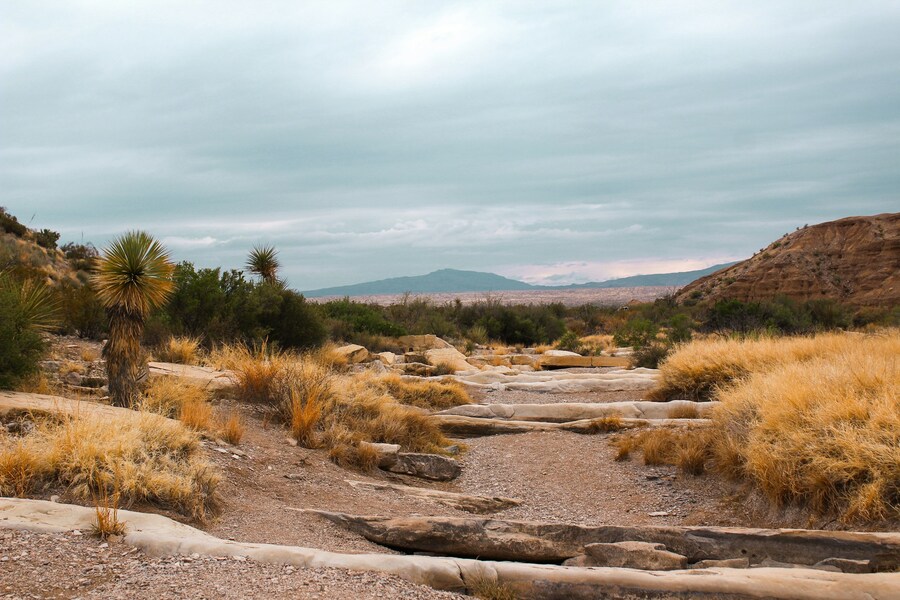
Deep in West Texas, where the Rio Grande makes a sharp turn, lies Big Bend National Park. This is one of the most remote and least-visited parks in the contiguous United States, and in winter, it offers a sanctuary of profound solitude. The park encompasses 3 distinct environments: the river, the desert, and the mountains. In the winter, you can experience all 3 in a single day. You might start your morning with a brisk hike in the Chisos Mountains, where Emory Peak may have a light dusting of snow, and then descend into the desert heat of the afternoon to soak in the Langford Hot Springs on the banks of the Rio Grande.
The Santa Elena Canyon is a must-see in winter; the water levels are usually low enough to allow for easy hiking into the mouth of the canyon, where 1,500-foot limestone walls tower above you. The Ross Maxwell Scenic Drive provides access to some of the most striking volcanic landscapes in the park, with numerous overlooks that showcase the vastness of the Chihuahuan Desert. Because Big Bend is so far from any major metropolitan areas, it boasts some of the darkest skies in North America. Sitting by a campfire under a canopy of stars that seem close enough to touch is the quintessential Big Bend experience, providing a sense of scale and peace that's hard to find in the modern world.
5. Yellowstone National Park, Wyoming, Montana, and Idaho
Source: Doctor Tinieblas/Unsplash
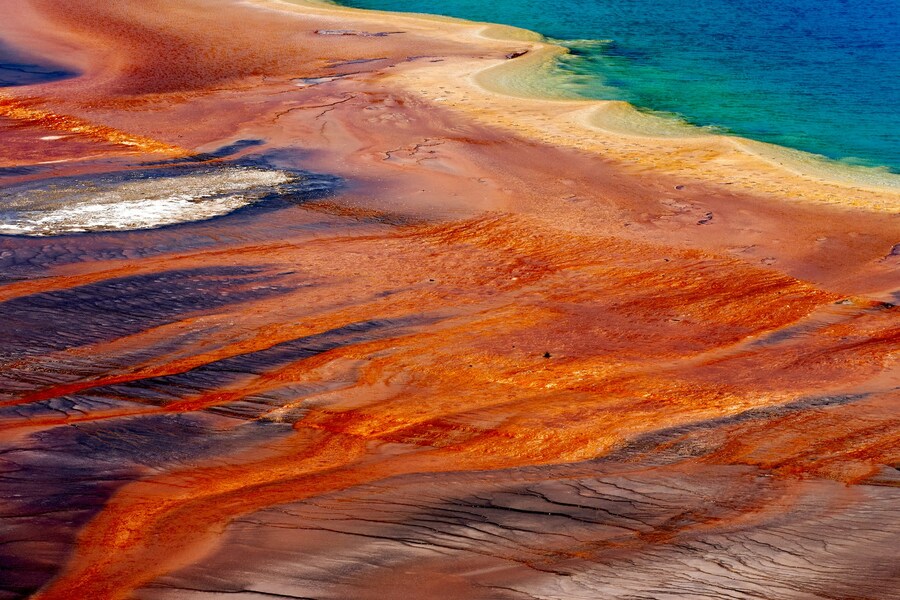
Yellowstone is perhaps the most iconic winter destination in the National Park System. When the snow settles, most of the park's roads are closed to private vehicles, leaving the interior accessible only by snowcoach or snowmobile. This limitation transforms the park into a private wonderland where the steam from the geysers and hot springs meets the freezing air to create "ghost trees" – conifers encased in thick layers of rime ice. The sight of Old Faithful erupting against a backdrop of pure white snow, with bison standing nearby covered in frost, is one of the most powerful images of the American West.
The Lamar Valley, often called the "Serengeti of North America," remains open to vehicles via the North Entrance. This is the premier location for wolf watching; the predators are much easier to spot against the snow as they move through the valley in their packs. Beyond wildlife, the winter allows for a slower pace of exploration. You can take a snowcoach tour to the Grand Canyon of the Yellowstone to see the Lower Falls partially frozen into a massive ice sculpture. The thermal features, like the Grand Prismatic Spring, take on an ethereal quality as the heat creates thick clouds of mist that dance in the winter wind. It's a place of extreme beauty where the power of the earth is on full display.
Navigate your winter journey effortlessly with our intelligent reservation platform – ParkingNearAirports.io!
Planning a cross-country trip involves significant logistics, especially when flying into major hubs like Las Vegas or Miami. To ensure a smooth start, travelers should utilize domestic airport parking services for enhanced security and convenience. By booking your space early through ParkingNearAirports.io, you can often secure an airport parking promo that fits your budget perfectly. It's wise to research and compare various airport parking rates to find the best value for long-term storage or valet needs near major terminals. Beyond parking, preparation is key for winter excursions. You should check road conditions daily, dress in moisture-wicking layers, and carry extra emergency supplies like food and blankets in your rental vehicle. Respecting wildlife and booking thermal tours or park lodges well in advance will ensure your adventure is both safe and memorable. Taking these steps allows you to focus entirely on the majestic landscapes rather than the stresses of travel.
The bottom line
A winter trip to a U.S. national park is an invitation to witness the raw, unfiltered power of nature during its most quiet and introspective season. Whether you're standing on the rim of Bryce Canyon watching the sun rise over frozen hoodoos or paddling through the silent, amber waters of the Everglades, you're experiencing a version of America that few people ever take the time to see. These parks offer more than just scenery; they offer a chance to disconnect from the noise of daily life and reconnect with the rhythms of the earth.
The cold air has a way of sharpening the senses, making the colors of the desert seem brighter and the silence of the forest feel deeper. While the logistics might require a bit more forethought – from checking weather reports to packing extra layers – the result is an adventure that transcends the typical vacation. Winter in the national parks is a season of quiet magic, a time when the land belongs to the wildlife and the few hardy souls who are willing to brave the elements. As you look toward your next getaway, consider the path less traveled and the season less celebrated; you might find that the chill of winter is exactly what you need to warm your spirit.
Safe travels, and may your winter journey be filled with wonder and warmth!


