

These destinations hold Level 4 "do not travel" advisories due to extreme violence, unrest, and limited U.S. emergency support.
So, how safe is your next destination?
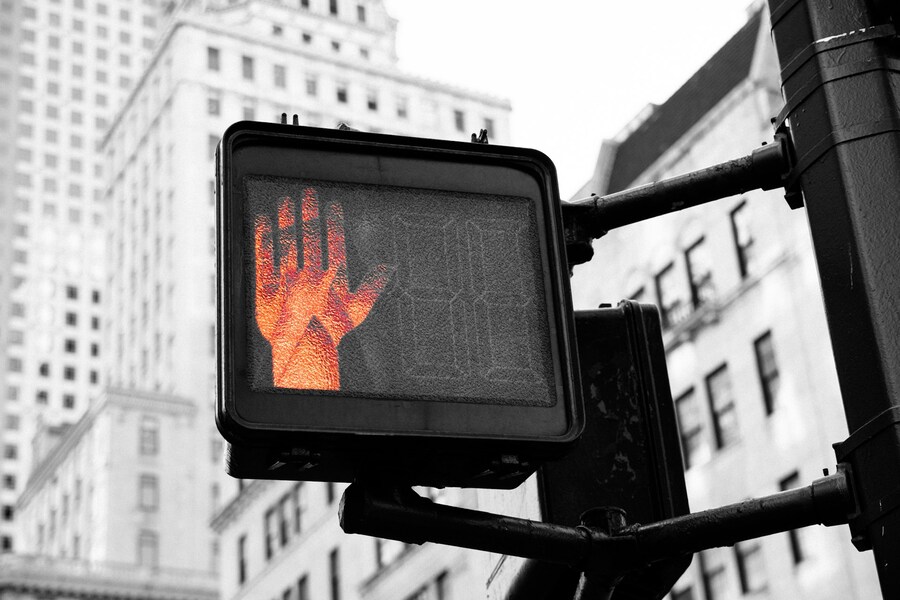
Source: Kai Pilger/Unsplash
In response to shifting global security landscapes, the
The Department utilizes a standardized four-tier system to categorize the level of risk associated with specific regions. Level 1 is the lowest tier, advising travelers to "exercise normal precautions" as they would in any familiar environment. Level 2 steps up the vigilance, suggesting that "increased caution" is required due to specific localized concerns. Level 3 is a significant escalation, explicitly urging Americans to "reconsider travel" because of serious risks to safety. Finally, Level 4 represents the most critical warning, carrying the directive "do not travel." This highest alert is reserved for locations where the danger to life and liberty is considered extreme and immediate.
Level 4 advisories are urgent directives for citizens to depart immediately. Because the U.S. government often has limited personnel or suspended services in these zones, obtaining help during an evacuation or arrest is extremely difficult. Even if you found the best airport parking deals for your trip, returning home becomes nearly impossible without federal aid.
The State Department's priority is the safety of Americans. These advisories result from rigorous assessments of how local instability affects U.S. passport holders. They provide an objective look at safety risks rather than a critique of a country's culture or people.
As of early 2026, the list of destinations classified under the Level 4 "do not travel" status includes 22 countries or territories: Afghanistan, Belarus, Burkina Faso, Myanmar, the Central African Republic, Gaza, Haiti, Iran, Iraq, Lebanon, Libya, Mali, Niger, North Korea, Russia, Somalia, South Sudan, Sudan, Syria, Ukraine, Venezuela, and Yemen. These areas are characterized by ongoing warfare, state-sponsored detentions, or lawlessness that makes routine travel nearly impossible and highly dangerous for Westerners.

Source: Bailey Torres/Unsplash
To maintain the accuracy of these warnings, the State Department performs regular re-evaluations of the safety status of every country. While Level 1 and 2 advisories are typically reviewed on an annual basis, the more volatile Level 3 and 4 designations are subjected to intense scrutiny at least every six months. This ensures that the government's stance reflects the most current realities on the ground, preventing travelers from relying on outdated information when they are using airport parking coupons to head to the terminal for an international journey.
The Department also clarifies that a travel advisory can be updated at any moment if conditions change substantially, regardless of the usual review cycle. This includes instances where the U.S. government decides to change its own staffing levels, such as drawing down embassy personnel or imposing new restrictions on diplomatic movements due to security concerns. Such administrative shifts often serve as a leading indicator of deteriorating safety conditions that the general public should take very seriously.
For those who are planning to travel internationally – even to lower-risk areas – security professionals emphasize the importance of proactive preparation. Experts recommend that every traveler should develop a personalized safety plan well before their departure date and maintain a habit of monitoring local news sources for any emerging threats. Preparation is the key to resilience; knowing how to navigate a sudden crisis is just as important as knowing the entry requirements for your destination.
Julian Moro of International SOS recommends compiling a list of local hospitals, police stations, and embassies before departure. This data should be stored securely but accessible for quick retrieval during emergencies.
In addition, the State Department urges travelers to join the Smart Traveler Enrollment Program (STEP). This free service provides critical safety updates and helps officials locate you during disasters or civil unrest. Taking these simple precautions ensures you stay informed and connected while abroad.


