

The allure of stepping onto foreign soil, breathing different air, and navigating a new culture is one of the most compelling human desires. For first-time international travelers, however, that initial burst of excitement is often accompanied by a swirling vortex of apprehension. The world, while interconnected, still presents a mosaic of languages, currencies, customs, and logistical hurdles. Transitioning from planning a weekend getaway within your own country to orchestrating a journey across oceans can feel overwhelming. This travel guide is crafted to dispel that anxiety, offering a comprehensive, step-by-step roadmap tailored for the intrepid novice ready to transform the dream of international travel into a concrete, unforgettable reality. Forget the common pitfalls and the guesswork; what you need is a structured approach that tackles the necessities first, leaving you free to savor the adventure itself. So, let's get to the point!
Is your passport ready, your wallet wise, and your mindset primed for the ultimate international adventure?
Embarking on a journey outside your home country is more than just booking a ticket; it requires a strategic mindset and meticulous preparation across several key areas, from documentation and health to finances and logistics. Successfully navigating these early stages sets the stage for a smooth and enjoyable trip.
The snooze-worthy (but key) details
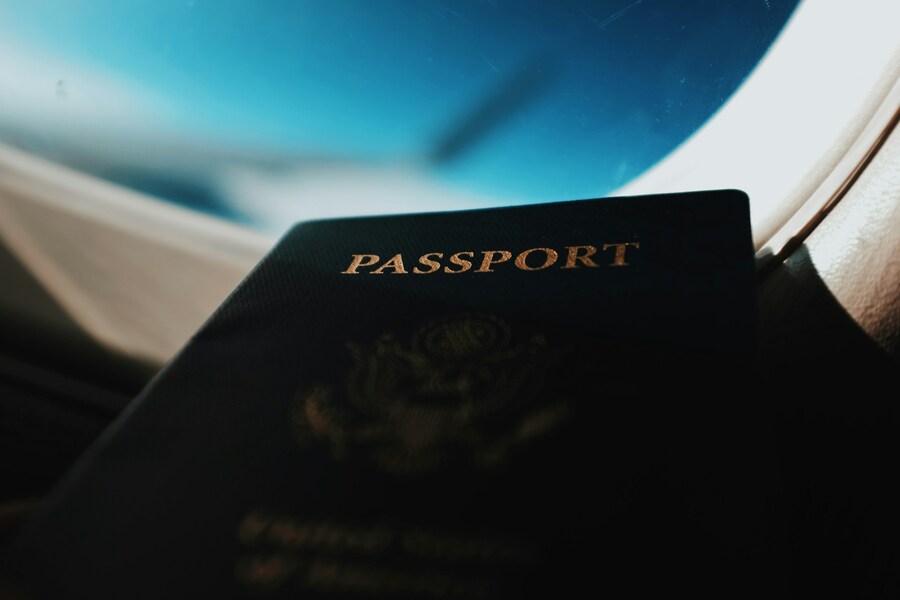
Source: Blake Guidry/Unsplash
Before you even think about which rooftop café you'll visit, you must first secure the most fundamental requirements for international passage: your passport and, potentially, a visa. Your passport is your most crucial travel document – it's your international identification and ticket home. It's imperative that it's valid for at least six months beyond your planned date of departure from your destination country. Many nations enforce this "six-month rule" strictly to prevent travelers from becoming stranded with an expired document. Check your passport's expiration date immediately upon deciding to travel. If it's close, start the renewal process; bureaucratic timelines are notoriously unpredictable, and rushing this step is a recipe for stress.
Beyond the passport, the next critical piece of paperwork is the visa. Whether or not you need one depends entirely on your citizenship and your destination. Some countries have reciprocal agreements allowing short, tourist stays without a visa (often referred to as visa-free entry or "visa-on-arrival"), while others require you to apply for an entry permit months in advance. Utilize the official government website of your destination country or a reputable travel advisory service to confirm the specific entry requirements for your passport nationality. The application process often involves fees, photographs, and significant waiting periods. Failing to secure a necessary visa is the single most common reason travelers are denied boarding, even with a valid plane ticket.
Health is another non-negotiable factor. Researching required or recommended vaccinations for your destination is essential. Countries in certain regions may require proof of vaccination for diseases like Yellow Fever. Consult with a travel health specialist or your doctor at least six to eight weeks before departure, as some vaccinations require multiple doses over a period of time to become fully effective. Equally important is acquiring comprehensive travel insurance. This is not a luxury; it's a vital safety net. A simple accident or sudden illness in a foreign country can lead to exorbitant medical bills and complex logistical issues. A good travel insurance policy should cover emergency medical expenses, evacuation, and trip interruption or cancellation. Compare policies carefully to ensure they cover the type of activities you plan to do, such as hiking or adventure sports.
Money moves for traveling abroad

Source: Vardan Papikyan/Unsplash
Managing your money overseas is a different ballgame than handling transactions at home. Relying solely on cash or a single credit card is a gamble you don't want to take. The first essential step is notifying your bank and credit card companies of your travel dates and destinations. If you skip this, they may flag your foreign transactions as suspicious activity and freeze your cards, leaving you cashless thousands of miles away.
The smart strategy involves diversification. A combination of local currency cash, a primary credit card, and a secondary debit or credit card is the safest approach. When acquiring foreign cash, avoid exchanging money at airport kiosks, which often offer the worst exchange rates. A better strategy is to use an ATM belonging to a major international bank at your destination airport or once you're in the city, as this typically provides a much fairer exchange rate, even with a small withdrawal fee. Look for debit cards that offer low or no foreign transaction fees; some modern banks specialize in traveler-friendly accounts.
When using credit cards, always choose to be charged in the local currency (e.g., Euros in France, Yen in Japan). This is known as declining Dynamic Currency Conversion (DCC). If a merchant asks if you want to pay in your home currency, say no. Letting the foreign bank convert the currency for you'll almost always result in a poorer exchange rate than letting your own credit card company handle the conversion. Keep a close eye on your spending and utilize mobile banking apps to track transactions and monitor your account balances regularly. For a simple, transparent way to track and split expenses with travel companions, look into popular expense-sharing apps, which can be invaluable for group travel.
Handy tools for trip planning

Source: Jas Rolyn/Unsplash
The digital landscape has revolutionized travel planning, making it simpler than ever to design a bespoke itinerary without relying on an expensive agent. Leveraging a few key tools can streamline everything from booking flights to securing accommodation.
For air travel, Google Flights and Skyscanner are essential starting points. Google Flights is excellent for visualizing prices over several months, using its calendar view to pinpoint the cheapest days to fly and setting up alerts for price drops on specific routes. Skyscanner, on the other hand, is superb for flexible travelers. Its "Everywhere" search feature can show you the cheapest destinations you can fly to from your city, perfect for spontaneous or budget-conscious explorers. When you're ready to book, consider booking directly with the airline, as this simplifies the process if changes or cancellations are needed.
When it comes to accommodation, a two-pronged approach is generally best. Booking.com remains a powerhouse for finding traditional lodging, offering a massive selection of hotels, hostels, and guesthouses with extensive user reviews and flexible cancellation policies. The reviews are incredibly helpful for gauging the reality of a place versus its marketing photos. For a more local, authentic, or long-term stay experience, Airbnb is the standard. Staying in an apartment often provides amenities like a kitchen and laundry, which can significantly cut down on travel costs. However, be sure to read the host reviews meticulously and understand the check-in procedures, which can sometimes be more complex than a hotel front desk.
Beyond the big names, utility apps are equally crucial. A reliable offline map application, such as Google Maps or Maps.me, is a lifesaver when you lack Wi-Fi or local data. Translation apps, particularly those with voice and camera translation capabilities, will break down communication barriers. Moreover, don't overlook transportation logistics near the start of your trip. If you plan to drive your own car to the airport, look into options like ParkingNearAirports.io. This service provides a centralized hub for finding and booking off-site airport parking lot reservations, often securing significant parking discounts compared to on-site airport rates. Using such platforms allows you to secure excellent airport parking offers in advance, ensuring a smooth start to your journey without the last-minute scramble.
Overall travel hacks for going international

Source: Elena Rabkina/Unsplash
While the logistics of passports and bookings are the framework, a handful of insider hacks can truly elevate the experience of international travel for a first-timer.
Packing strategy is key
Start with a minimalist mindset. For most trips, you only need half the clothes you think you do, and twice the money. Learn the art of strategic packing, utilizing packing cubes to compress clothing and organize your bag by category. Crucially, pack a full change of clothes, including underwear and essential toiletries, in your carry-on bag. Lost luggage is an unfortunate reality, and having one backup outfit can mitigate a great deal of immediate distress upon arrival. Moreover, when selecting your luggage, opt for a hard-shell, four-wheel spinner suitcase; they are easier to maneuver through crowded terminals and offer better protection for fragile items.
Digital document backup
Never rely solely on physical copies of your essential documents. Scan your passport, visa, flight confirmations, and insurance policy, then save them to a secure cloud storage service or email them to yourself and a trusted contact. In the event your physical wallet or documents are lost or stolen, having digital copies readily available will significantly expedite the replacement process at an embassy or consulate. A dedicated folder on your smartphone's home screen for travel apps and digital documents can save precious time when you are stressed or in a rush.
The power of slow travel
For a first international trip, resist the temptation to cram five countries into ten days. "Slow travel" means dedicating more time (four days or more) to a single city or region. This allows you to truly settle in, understand the local rhythm, try neighborhood restaurants, and take spontaneous detours without the constant pressure of a ticking clock or the exhaustion of frequent packing and unpacking. This depth of experience often proves far more rewarding than a whirlwind tour of landmarks. It also gives you a buffer for unexpected delays or jet lag recovery.
Navigating the language barrier
While English is widely spoken in major tourist hubs, making an effort to learn a few key phrases in the local language – hello, thank you, please, excuse me – is a sign of respect that's always appreciated. Local people are often more willing to help a traveler who has at least tried to bridge the language gap. Utilize translation apps for complex conversations, but keep a small phrasebook handy for quick reference in low-tech situations. Remember that non-verbal communication, like a smile and polite demeanor, is universally understood.
Local transportation integration
Public transit systems are often the most economical and authentic way to experience a foreign city. Before you land, look up the name of your destination airport's metro or train station and figure out how to buy a ticket. Many cities now offer rechargeable transit cards that are cheaper and more convenient than buying single-use tickets. Avoid airport taxis unless absolutely necessary, and always confirm the fare or ensure the meter is running, or better yet, use a reputable ride-sharing app or a pre-booked shuttle service.
The bottom line
Traveling abroad is an education in itself – a masterclass in adaptability, patience, and global citizenship. The key to a successful first international trip is to front-load the planning: secure your documents, sort your finances, and simplify your logistics using the excellent digital tools available. Once the fundamental framework is solid, the bulk of your energy can be devoted to enjoying the sheer thrill of discovery. Embrace the unexpected, be polite, be prepared, and be present. The world is waiting to be explored, and with a solid guide in hand, the path from novice to seasoned traveler is short and incredibly rewarding. May your travels be safe, your discoveries profound, and your memories unforgettable!


