

A rise in onboard fire incidents has prompted new safety rules from major carriers.
So, are your gadgets grounding your flight? Stricter new airline battery rules explained
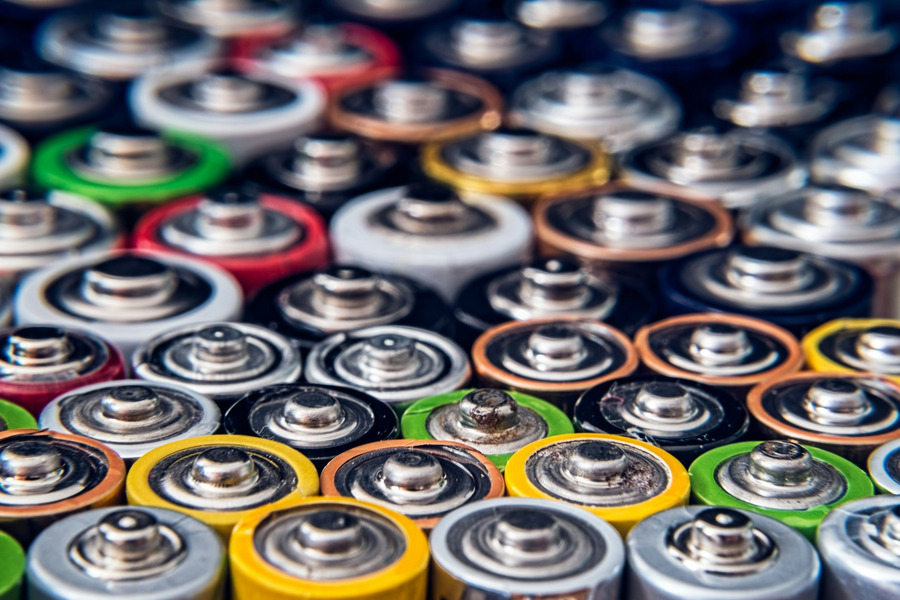
Source: Roberto Sorin/Unsplash
Ensuring safety during flights is a top priority, which is why major airlines are implementing stricter rules regarding lithium batteries to reduce the risk of inflight fires.
Lithium batteries power almost all rechargeable gadgets, including cell phones, laptops, and portable chargers. Despite their convenience, they can become a fire hazard if they suffer damage or overheat.
Data from UL Standards & Engagement
These events created major disruptions in 2024, with one in five incidents leading to emergency evacuations, flight diversions, or a forced return to the gate.
To tackle this growing issue, airlines are updating their onboard policies to place stricter limits on these batteries.
Starting May 1, American Airlines began restricting passengers to a maximum of two portable chargers, with each limited to 100 watt-hours.
The airline explained that while they understand travelers need to keep devices powered during their trip, keeping these chargers easily accessible throughout the flight is vital for maintaining onboard safety. If you are driving to the terminal, utilizing airport parking services ahead of time can give you one less thing to worry about before dealing with these new carry-on rules.
On March 1, United Airlines similarly updated its policy, requiring passengers to keep vapes and portable chargers out of overhead bins. The carrier is actively notifying travelers about the size limits and rules through gate and onboard announcements.
Last month, Southwest Airlines introduced a policy limiting passengers to just one power bank under 100 watt-hours, which must stay in the cabin rather than the overhead bin. Delta Air Lines has also put similar size restrictions in place for lithium batteries. To save a bit of extra cash before dealing with these stricter airline limits, travelers can look for airport parking coupons to reduce their pre-flight expenses.
If a battery begins to smoke, burn, expand, or overheat, the Federal Aviation Administration (FAA) advises passengers to alert the flight crew immediately.
The FAA emphasized that their flight crews undergo specific training to effectively manage and contain lithium battery fires inside the aircraft cabin.
While a fire in an airplane cabin is highly dangerous, experts from UL Standards & Engagement note that travelers can take specific actions to reduce these risks.
They point out that higher power density is the main concern, meaning larger chargers and power banks present a much greater risk than smaller devices.
Regardless of the battery's size, any device that has suffered damage is inherently hazardous.
Experts warn that defective, substandard, or damaged items drive the highest risks, meaning travelers should avoid using devices that have been repeatedly dropped or crushed inside tightly packed bags. Finding affordable off-site airport parking can give you the extra time needed at the terminal to carefully pack and secure your electronics.
The source of the purchase matters as well, since devices that are officially certified to meet safety standards are far less likely to malfunction.
Taking simple precautions can significantly lower the danger, such as keeping devices within arm's reach, buying certified products, and watching for warning signs like swelling, strange smells, or overheating.


