

Navigating an airport terminal during peak travel periods can test the patience of even the most seasoned globetrotter. Between endless TSA security lines, overcrowded departure gates, long queues at terminal cafes, and the frantic scramble for parking, flying on high-volume days presents a unique set of logistical challenges. Understanding airport traffic patterns and preparing well in advance is essential to transforming a chaotic travel day into a smooth, predictable journey.
Whether you are heading out on an international vacation, traveling for work, or flying home for the holidays, knowing when TSA checkpoints experience their highest throughput allows you to optimize your departure schedule. Beyond timing your arrival at the terminal, managing off-site travel logistics – such as securing safe, affordable international airport car parking – plays a vital role in ensuring your trip starts on a stress-free note.
This comprehensive guide breaks down the busiest travel days of the year using empirical checkpoint data, examines seasonal passenger trends, and offers expert strategies to help you navigate heavy airport traffic like a seasoned pro.
Which TSA Travel Days See the Longest Lines of the Year?
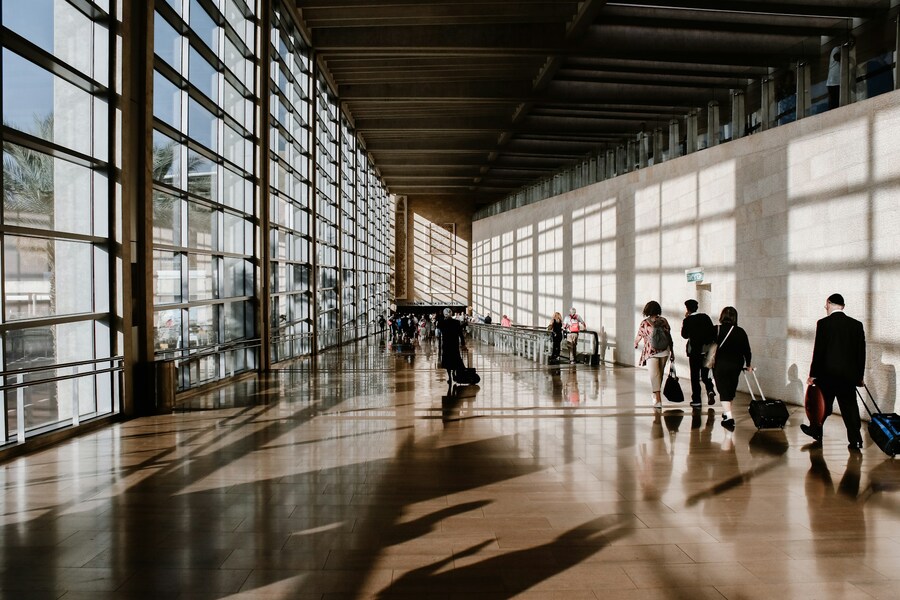 Source: Briana Tozour/Unsplash
Every year, hundreds of millions of passengers pass through the U.S.
By analyzing historical TSA throughput metrics, travel experts can accurately forecast which days will see the heaviest passenger flow. Recognizing these high-volume travel periods gives you a distinct advantage when booking flights, scheduling ground transportation, and managing your airport arrival strategy.
Unpacking the 10 Busiest Travel Days of the Year
Analyzing annual TSA checkpoint data reveals clear patterns in American travel habits. While major holidays naturally draw large crowds, the busiest overall calendar days consistently align with specific travel windows – most notably, post-holiday return dates and summer vacation weekends.
Below are the top 10 busiest passenger throughput days recorded by TSA checkpoints across the nation:
- Sunday After Thanksgiving: ~3.13 Million Passengers
- Late June Peak Weekend (Sunday): ~3.10 Million Passengers
- Mid-July Summer Peak (Sunday): ~3.04 Million Passengers
- Post-Independence Day Travel (Sunday): ~3.04 Million Passengers
- Late July Weekend Rush (Sunday): ~3.02 Million Passengers
- Autumn Holiday Weekend (Friday before Indigenous Peoples' Day/Columbus Day): ~3.02 Million Passengers
- Memorial Day Kickoff (Friday before Memorial Day): ~3.01 Million Passengers
- Mid-July Summer Rush (Sunday): ~3.01 Million Passengers
- Late Summer Rush (First Friday in August): ~3.00 Million Passengers
- Mid-July Midweek Peak (Thursday): ~2.99 Million Passengers
The undisputed heavy-weight champion of airport traffic is consistently the Sunday following Thanksgiving. While Thanksgiving Day itself remains surprisingly quiet at airport checkpoints – often recording nearly half the volume of peak days – the post-holiday Sunday creates an unprecedented wave of returning travelers. Over 3.1 million passengers clear security in a single 24-hour window, making it the most intense operational day for airport authorities and security personnel nationwide.
Outside of Thanksgiving weekend, the summer season accounts for the vast majority of peak travel days. June, July, and August experience sustained high passenger volume driven by family vacations, school breaks, and favorable weather. A notable non-summer anomaly occurs in early October on the Friday preceding Indigenous Peoples' Day / Columbus Day, where travelers actively leverage extended holiday weekends for autumn getaways.
Holiday Travel Bottlenecks: Thanksgiving, Winter Holidays, and Holiday Weekends
Understanding why passenger surges occur during holiday periods requires a closer look at travel behavior. During major holidays, passenger demand compresses into narrow timeframes.
- The Thanksgiving Crush. The Wednesday before Thanksgiving and the Sunday immediately following it represent extreme travel bottlenecks. On these days, highways leading to major hubs become congested, terminal parking garages reach capacity hours before sunrise, and security screening queues spill over into main terminal concourses.
- Winter Holiday Waves. Unlike Thanksgiving, which operates on a fixed Thursday schedule, Christmas and New Year travel patterns fluctuate depending on which day of the week the holidays fall. However, the days immediately surrounding late December typically see massive spikes, particularly among long-haul travelers seeking international airport car parking for extended winter departures.
- Three-Day Holiday Weekends. Observances, such as Memorial Day, Labor Day, and Indigenous Peoples' Day, consistently generate heavy Friday departure traffic and high-volume Monday evening returns. Because these periods attract casual or infrequent travelers, security queues often move more slowly as passengers navigate luggage guidelines and screening procedures.
 Source: Claudio Schwarz/Unsplash
Summer Air Travel Surges and Weather Dynamics
Summer is unquestionably the longest sustained high-volume period for commercial aviation. From late May through early August, TSA checkpoints routinely process close to 3 million passengers daily. However, high passenger volume is only one part of the summer travel equation; afternoon weather patterns introduce significant operational volatility.
During summer months, intense ground heat builds throughout the morning, frequently triggering severe afternoon thunderstorms across major air transit hubs. These weather events result in nationwide ground stops, cascading flight delays, and air traffic control holds.
Moreover, late inbound aircraft represent one of the single largest causes of overall flight delays. An aircraft delayed by a mid-day thunderstorm in Atlanta can cause ripple-effect delays across connecting flights in Chicago, Denver, and Los Angeles later that evening.
To minimize exposure to both atmospheric turbulence and cascading delays:
- Book Early Morning Flights. Flights scheduled before 8:00 AM exhibit statistically higher on-time departure rates because the aircraft are usually already positioned at the gate overnight and afternoon storm systems haven't yet developed.
- Allow Extra Transfer Time. If a non-stop route is unavailable, choose itineraries with layovers of at least 90 minutes to two hours during peak summer months.
Essential Strategies for Navigating Heavy Airport Traffic
When traveling on a designated peak day, thorough preparation is your strongest defense against delay and frustration. Adopting a proactive travel playbook ensures you maintain control over your schedule regardless of terminal crowding.
1. Adjust Your Terminal Arrival Window
The standard advice of arriving two hours prior to domestic departures and three hours prior to international flights must be expanded during peak travel periods. On top-10 volume days, plan to arrive at least three hours early for domestic flights and four hours early for international departures. This buffer accounts for potential traffic congestion on airport access roads, shuttle service queues, and extended TSA lines.
2. Expedite Your TSA Experience
Speeding up your journey through security requires smart packing and familiarization with screening rules:
- Enroll in Expedited Programs. TSA PreCheck, CLEAR, and Global Entry drastically reduce queue times. TSA PreCheck lanes allow qualified passengers to keep shoes, belts, light jackets, laptops, and compliant 3-1-1 liquid bags inside their carry-on luggage.
- Pack Liquids Correctly. Ensure all liquids, gels, and aerosols adhere strictly to the 3-1-1 rule (3.4-ounce/100ml containers or smaller, fitted into a single quart-sized clear bag). Store this bag in an easily accessible pocket if you don't have TSA PreCheck.
- Organize Electronics. Place large electronic devices (laptops, tablets, gaming consoles) in easily accessible compartments so they can be placed in separate bins quickly during standard screening.
3. Master Off-Site Logistics and Airport Parking
One of the most frequently overlooked bottlenecks on heavy-traffic travel days occurs before you even step foot inside the terminal: finding a spot for your vehicle. On peak travel days, terminal garages reach total capacity early in the morning, forcing desperate drivers to circle filled lots and risk missing their departure windows. Moreover, standard airport parking charges per day at terminal garages can quickly add up, significantly inflating your overall travel budget.
To guarantee a hassle-free start to your trip:
- Book Parking in Advance. Never rely on drive-up availability during peak holiday or summer weekends. Reserving a dedicated space ahead of time ensures a spot is waiting for you upon arrival.
- Utilize Off-Site Parking Solutions. Off-site parking facilities offer structured, secure, and cost-effective alternatives to congested airport garages. Convenient shuttle services transport you directly from the parking lot to your departure terminal door.
- Unlock Substantial Savings. Taking advantage of exclusive parking discounts online allows you to secure premium off-site parking at a fraction of the cost of drive-up terminal rates.
Secure Stress-Free Travel on Peak Days
 Source: Kaja Reichardt/Unsplash
Traveling during the busiest TSA days of the year doesn't have to mean enduring chaotic lines and unexpected travel delays. By understanding peak passenger cycles, booking early morning departures, and planning your ground logistics well in advance, you can breeze through the airport with confidence and ease.
Don't let airport garage congestion or steep terminal rates derail your travel plans. Take complete control of your journey by securing your parking space early through our reservation system at ParkingNearAirports.io. Enjoy guaranteed parking spots, convenient terminal shuttles, and exceptional parking discounts that make your journey seamless from start to finish. Reserve your parking today and experience a smooth, stress-free departure every time you fly!


