

Berlin, a city that stands as a monumental testament to history and a vibrant hub for contemporary culture, is served by a gateway that mirrors its own complexity and scale:
So, what can you expect at Berlin's premier aviation hub?
 Source: Vincent Eisfeld/Unsplash
Berlin Brandenburg Airport: a quick summary
Berlin Brandenburg Airport serves as the singular aviation engine for the metropolitan area, characterized by its modern architecture and centralized design. Unlike many major European cities that split traffic across multiple disconnected airports, Berlin has concentrated its operations here to streamline logistics and passenger movement. The airport is primarily defined by its main structure, Terminal 1, which serves as the architectural heart of the complex, alongside Terminal 2, which was specifically designed to cater to the growing demand for low-cost carrier operations. The facility handles tens of millions of passengers annually, offering a gateway to hundreds of global destinations. Its design emphasizes high ceilings, natural light, and a logical flow that attempts to minimize the stress of the modern traveler. Despite its size, the integration of digital services and clear signage helps maintain an orderly environment, even during the peak summer and winter holiday seasons.
Finding the airport location
Situated approximately 18 miles (29 kilometers) south of Berlin's city center, Berlin Brandenburg Airport occupies a significant footprint in the Schönefeld municipality. The location is strategically chosen to provide accessible links not only to the heart of the capital but also to the broader Brandenburg region and neighboring cities like Potsdam. Geographically, it sits on the southeastern edge of the city limits, positioned between the A113 and A13 motorways. This placement allows for relatively straightforward road access while keeping the noise and environmental impact of heavy air traffic away from the most densely populated residential districts of inner Berlin. For travelers, this means a journey that transitions from the urban sprawl into the flatter, forested landscapes of Brandenburg before arriving at the terminals.
Getting to Berlin Airport
The connectivity between BER and the city is one of the airport's strongest features, offering a variety of modes to suit different budgets and schedules. The Airport Express (FEX) and regional trains (RB14 and RE7) remain the most popular choices, whisking passengers from Berlin Central Station (Hauptbahnhof) to the terminal basement in roughly 30 minutes. These trains are frequent and reliable, operating with a focus on punctuality. In addition, the S-Bahn lines S45 and S9 provide a more local service, stopping at various points across the city, which is ideal for those staying in neighborhoods like Neukölln or Friedrichshain. For those arriving from further afield, long-distance InterCity trains also serve the airport station, linking Berlin Brandenburg directly to other German cities. Buses provide further flexibility, with express lines like the X7 and X71 connecting to the U-Bahn network at Rudow, ensuring that even if the rail lines are undergoing maintenance, the flow of passengers remains uninterrupted.
Parking options at the terminal
For those who prefer the autonomy of driving, the airport offers several thousand parking spaces across multiple multi-story garages and open-air lots. Travelers can choose from premium spots located directly adjacent to the check-in halls or more economical options situated slightly further away. The facility utilizes modern license plate recognition and digital payment systems to speed up the entry and exit process. However, the costs associated with on-site storage can fluctuate based on demand. It's always wise to investigate airport car parking fees before arrival to ensure the chosen lot fits the travel budget. Many frequent flyers find that the convenience of walking straight into the terminal from a P1 or P3 garage justifies the higher price point, while long-term travelers often opt for the remote lots served by shuttle links. Beyond the official airport lots, services like ParkingNearAirports.io provide valuable alternatives, often offering parking near airport with shuttle options that can significantly reduce the overall cost of a trip. Utilizing airport coupons through such platforms can also lead to substantial savings, making professional parking services more accessible to the average traveler.
Exploring the terminals
The terminal layout at BER is designed around efficiency and shared infrastructure. Terminal 1 is the flagship building, featuring the "Marketplace" in its center, filled with shops and dining options located immediately after security. It's a multi-level structure where check-in, arrivals, and departures are handled with vertical separation. Terminal 2, located just a short walk from Terminal 1, is a more streamlined, functional building intended to process passengers for budget airlines quickly. Both terminals share the same underground railway station and many of the same road access points, making it easy for passengers to navigate between them if their flight details change. The walking distance between the two is minimal, and the paths are well-marked, ensuring that even first-time visitors can find their gate without excessive stress. The aesthetic across both terminals relies heavily on warm wood tones and stone, moving away from the cold, clinical feel of older 20th-century airports.
Airlines operating at BER
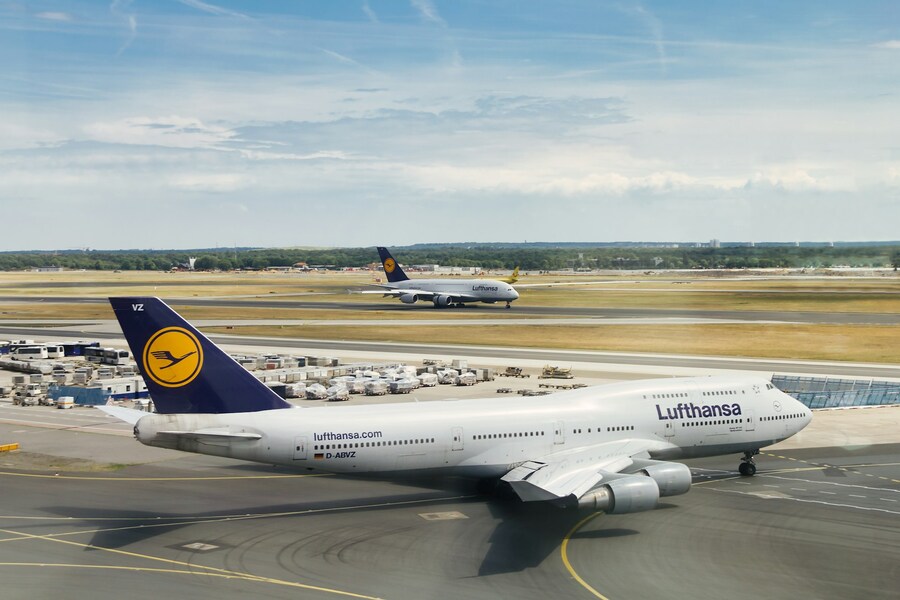
As the primary hub for the region, BER hosts a diverse array of airlines ranging from national flag carriers to ultra-low-cost operators. Lufthansa maintains a significant presence, connecting Berlin to its primary hubs in Frankfurt and Munich for further global reach. Other major international players like Air France, British Airways, and United Airlines provide consistent links to European capitals and North American destinations. Simultaneously, the airport is a major base for easyJet and Ryanair, which dominate the short-haul European market from Terminal 2. This mix of carriers ensures that Berlin remains a competitive market for airfare, providing travelers with a wide spectrum of choices regarding service levels and ticket prices. Whether one is flying a boutique airline to a niche Mediterranean destination or a heavy-duty carrier to a global financial center, the infrastructure at BER is equipped to handle the varying operational needs of these diverse companies.
Lounge access and comfort
For those seeking a sanctuary away from the bustling crowds of the main concourse, the airport provides several high-quality lounges. The Lufthansa Lounge is a staple for Star Alliance frequent flyers, offering a refined environment with German culinary staples and comfortable workstations. In addition, the BER Lounge "Tegel" and "Tempelhof" (named in honor of the city's historic closed airports) are available to business class passengers of various airlines and members of independent lounge programs. These spaces provide a quiet atmosphere, high-speed internet, and a selection of refreshments that far exceed the standard terminal offerings. They are particularly useful for business travelers who need to maintain productivity during a layover or for those on long-haul itineraries who value the opportunity to freshen up and relax in a more private setting before boarding.
Dining options for travelers
The culinary landscape at Berlin Brandenburg Airport reflects the city's own diverse food scene. From quick "grab-and-go" kiosks to sit-down restaurants offering international cuisine, there's something to satisfy every palate. Travelers can find traditional German favorites, such as currywurst and schnitzel, alongside contemporary health-focused cafes serving organic salads and vegan options. The Marketplace in Terminal 1 is the primary hub for dining, where travelers can enjoy a meal while overlooking the airfield through massive floor-to-ceiling windows. High-quality coffee shops are scattered throughout the gates, ensuring that a caffeine fix is never far away. For those with a bit more time, full-service bars offer a selection of local craft beers and wines, allowing for a final taste of Berlin's hospitality before departure.
Shopping and retail therapy
The retail experience at BER is designed to function as both a convenience and a luxury destination. The duty-free sections are extensive, offering the standard array of perfumes, spirits, and tobacco at competitive prices. However, the airport also makes a concerted effort to showcase local brands and Berlin-centric souvenirs, ranging from "Ampelmann" merchandise to high-end German-engineered luggage. Fashion enthusiasts will find several international boutiques, while those in need of last-minute travel essentials can rely on well-stocked pharmacies and electronics stores. The layout of the shopping area is intuitive, pulling passengers through a central corridor that leads toward the gates, ensuring that one can browse the latest collections without losing track of their boarding time.
Accommodations near the gates
For travelers with early morning departures or late-night arrivals, the area surrounding BER offers a variety of lodging options. The Steigenberger Hotel is located directly at the terminal, offering luxury accommodations literally steps away from the check-in counters. This is the premier choice for those prioritizing convenience and comfort. Slightly further afield, but still within the airport perimeter, are several mid-range and budget-friendly hotels like the InterCityHotel and various B&B options. Most of these establishments are linked to the terminals by short shuttle rides or are within walking distance of the S-Bahn stations. These hotels are specifically geared toward the international traveler, featuring soundproofed rooms, 24-hour check-in services, and early breakfast buffets to accommodate the erratic schedules of the aviation world.
Airport amenities and services
Beyond the standard requirements of travel, BER provides a suite of amenities designed to enhance the passenger experience. Free Wi-Fi is available throughout the facility, allowing travelers to stay connected without hassle. For families, dedicated play areas and baby-changing rooms are strategically placed to make traveling with children more manageable. The airport also features a multi-faith prayer room and silent areas for those seeking a moment of reflection. Accessibility is a core component of the airport's design, with extensive support for passengers with reduced mobility, including tactile paving, accessible elevators, and dedicated assistance teams. Moreover, for the tech-savvy, numerous charging stations and "work-from-anywhere" desks are integrated into the gate seating, reflecting the needs of the modern digital nomad.
The bottom line

Source: Daniel Lloyd Blunk-Fernández/Unsplash
Berlin Brandenburg Airport serves as a modern, efficient, and culturally reflective gateway to one of the world's most fascinating cities. While its journey from conception to completion was marked by delays, the resulting facility is a high-functioning hub that meets the demands of 21st-century aviation. By centralizing operations, improving rail connectivity, and focusing on a passenger-centric design, BER has successfully positioned itself as a key player in European travel. Whether you are arriving for a weekend of history and nightlife or departing for a business meeting across the globe, understanding the nuances of this airport – from its parking logistics and terminal flows to its quiet lounges and diverse dining – is the key to a stress-free experience. As the city of Berlin continues to evolve, so too does its airport, standing ready to welcome millions of visitors to the heart of Germany with efficiency and a touch of Brandenburg style.


